
Data Products
Our available processing and deliverables, to provide actionable insights to your project.
Data Products
Our Available Processing and Deliverables

Data COllection
We offer a variety of sensor and platform types to collect Thermal, LiDAR, Multispectral, Hyperspectral, Radio Frequency, Electromagnetic, Airborne Compound, and Radiation data.

Processed Data Services
Our collected data can be processed into a wide variety of deliverables to suit your needs. Check out our selection of data products below and please reach out to our technical advisors if you have a specific question or deliverable request.
Point Clouds
3D Data Points Representing Shape, Surface, and Structure
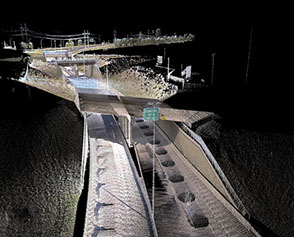
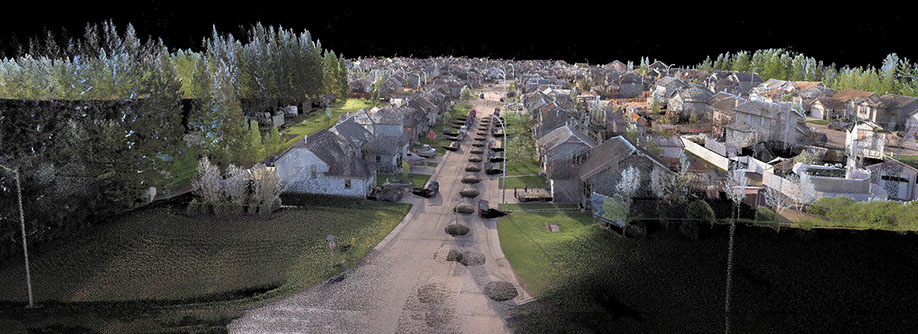
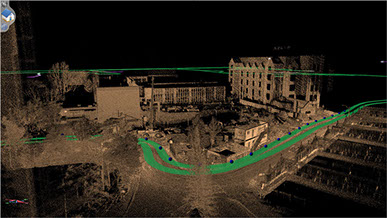
Point clouds, generated from LiDAR or photogrammetry, are dense collections of 3D points that accurately represent the shape, surface, and structure of terrain, buildings, vegetation, and other features.
After collection, point clouds undergo processing steps such as noise reduction, classification (e.g., ground, vegetation, structures), and alignment to create accurate 3D models and surface representations.
These datasets can be colorized using a variety of sources, including RGB imagery captured during the survey, multispectral or hyperspectral data, thermal imagery, or classification-based attributes such as elevation or intensity.
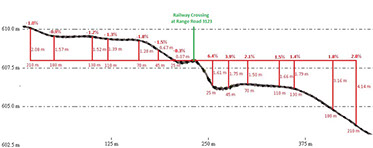
Colorized point clouds enhance visual interpretation and analytical value, making them ideal for applications like infrastructure inspection, construction monitoring, forestry analysis, flood risk modeling, and urban planning. Point clouds can be sectioned to reveal the cross section of forests, road allowances, drainage systems, and buildings.
The rich detail and flexibility of point cloud data allow for precise measurements, modeling, and simulations across a wide range of industries.
Mapping
Orthoimagery and Aerial Data
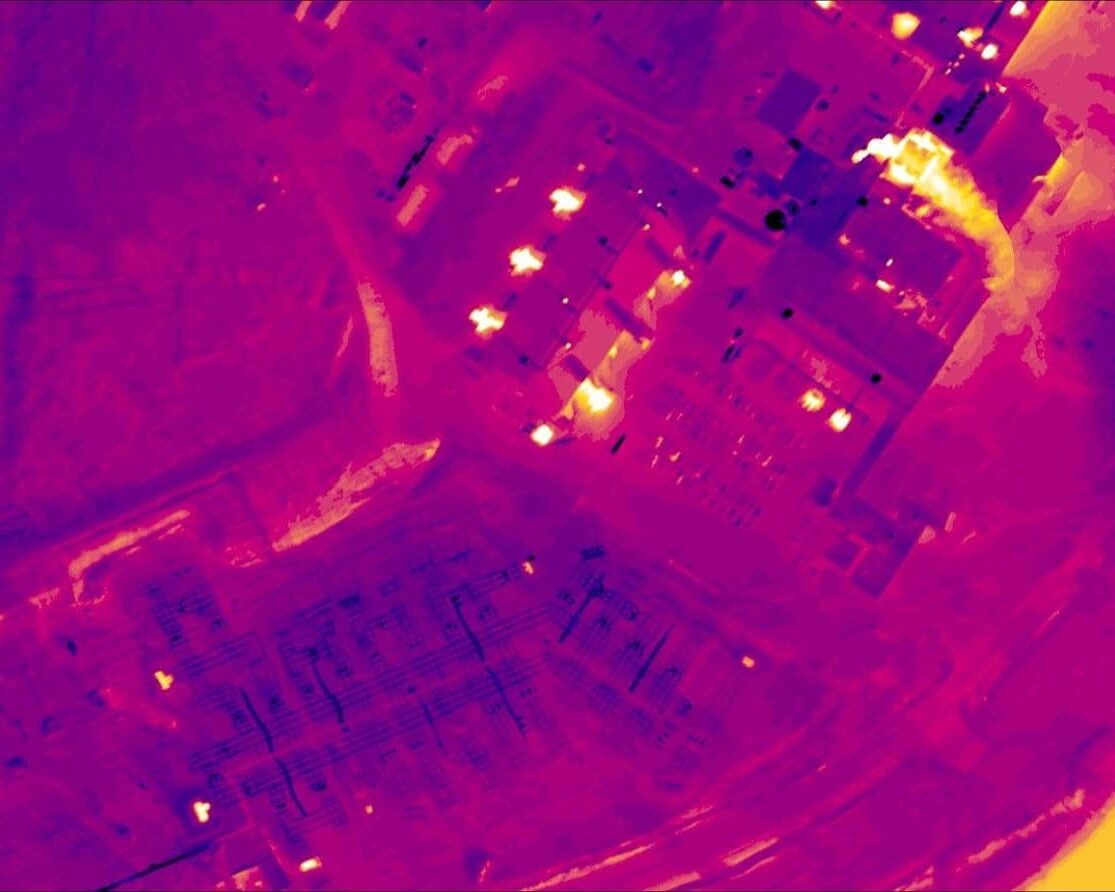
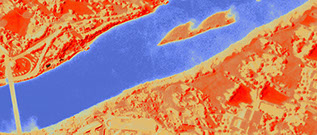
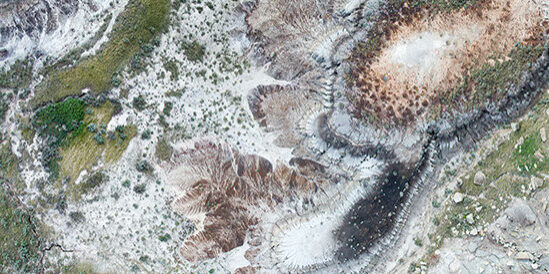
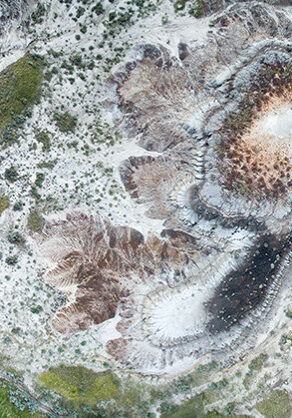
Aerial surveying offers a wide range of high precision 2D mapping outputs that can be processed to support various industries.
These include orthomosaic maps, which are georeferenced, high-resolution aerial images stitched into a seamless, accurate map; contour maps for elevation visualization; and classified land cover maps used for environmental and planning applications.
In addition to standard RGB imagery, aerial platforms can also capture multispectral and hyperspectral data. Multispectral imagery, typically collected in key bands such as red, green, blue, near-infrared (NIR), and red edge, is ideal for vegetation health monitoring, crop analysis, and land use classification.
Sensors:
Hyperspectral imagery provides hundreds of narrow spectral bands, allowing for advanced material identification, water quality assessment, and soil composition analysis.
These spectral datasets, when processed into 2D thematic maps, offer powerful insights for precision agriculture, environmental monitoring, and natural resource management.
Photogrammetry
3D Modeling from Aerial and terrestrial Imagery
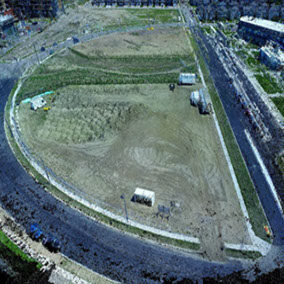
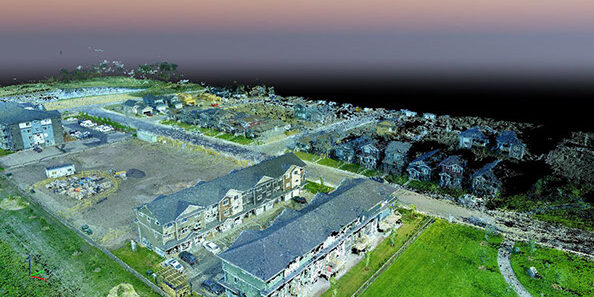
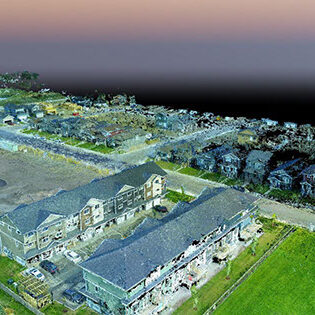
Photogrammetry is a core technology in aerial surveying that transforms overlapping images captured by drones, aircraft, or satellites into 2D maps and 3D models of the Earth's surface.
By analyzing the geometry between multiple images, photogrammetry enables the creation of point clouds, detailed topographic maps, digital elevation models, and high-resolution orthomosaics without requiring the expense or complexity of LiDAR or logistics of topo point surveys.
This technique is widely used in construction, mining, agriculture, environmental monitoring, and infrastructure planning. The rapid data collection rate makes it ideal for progress tracking, volume measurements, and change detection.
The advantages of photogrammetry include cost-efficiency, rapid data collection, without the need for LiDAR or ground-based elevation mapping. At the cost of increased processing time and less acuity and accuracy as compared to LiDAR.
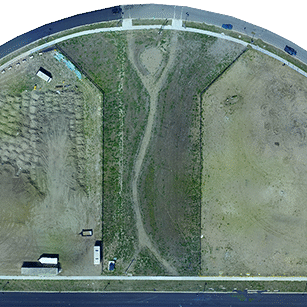
Emissions Detection
Find the leaks, Fix the Problems.
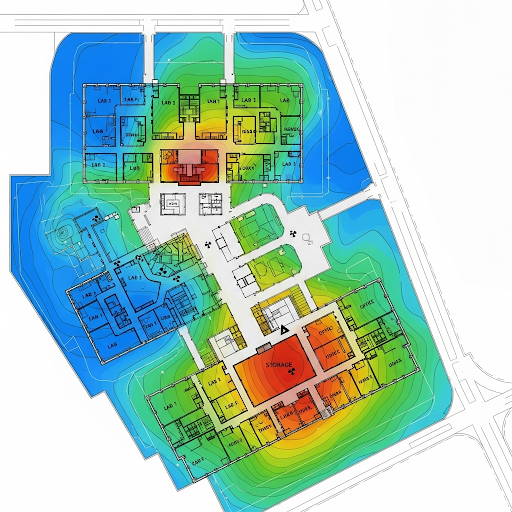
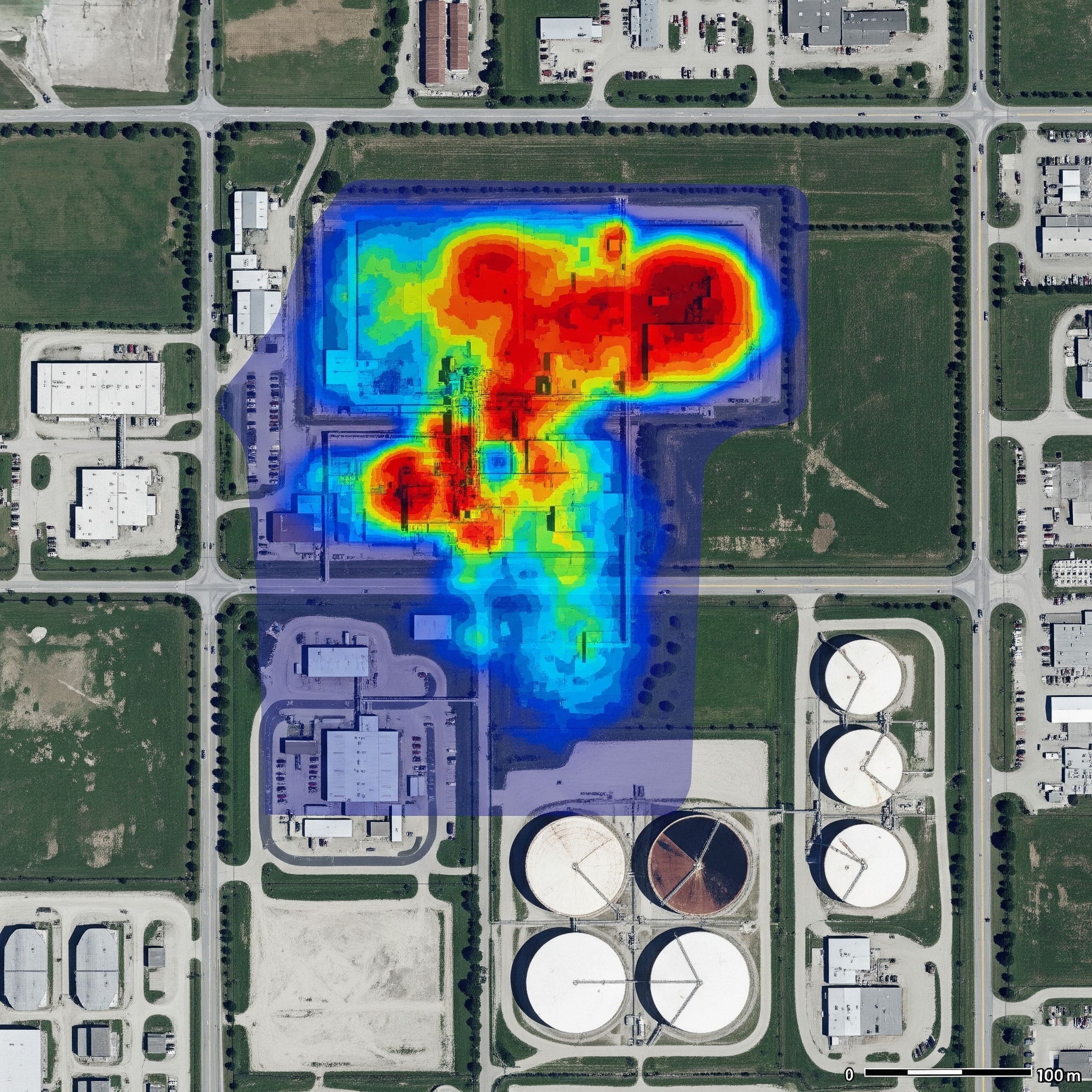
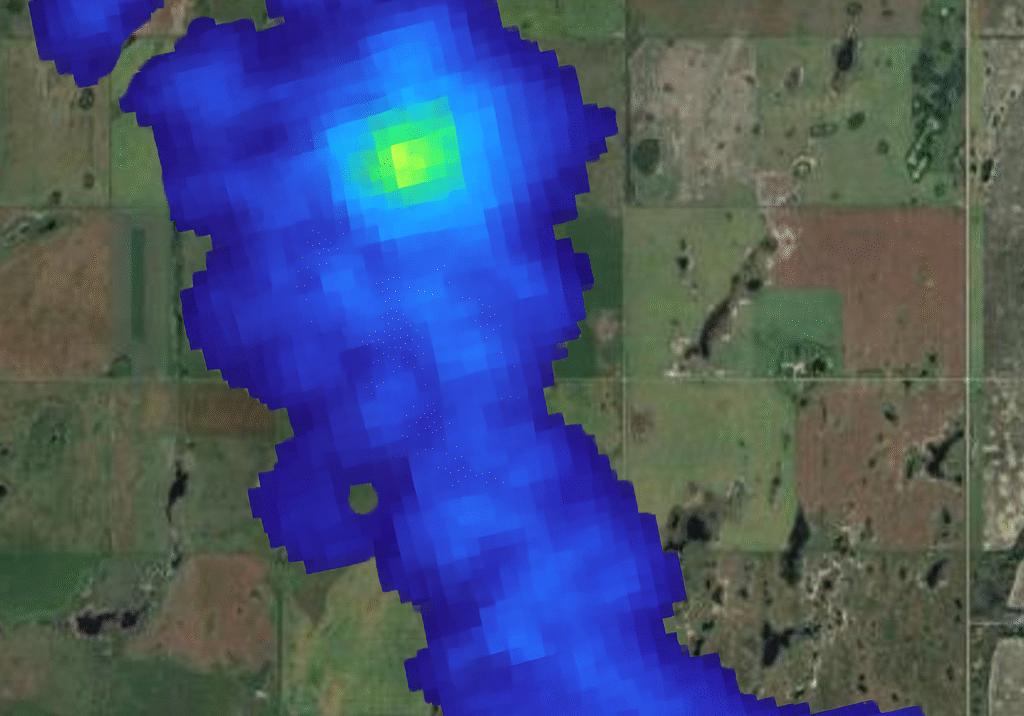
EM, RF, Radiation, and Compounds
Aerial and terrestrial sensing platforms provide efficient ways to detect, measure, and map signals, emissions, and radiation across local, regional, and national scales.
Equipped with advanced tools such as RF analyzers, hyperspectral imagers, gas sensors, and radiation detectors, these systems capture detailed data on frequency use, atmospheric pollutants, and radiation levels.
Sensors:
Drones and ground-based systems deliver high-resolution, site-specific inspections of infrastructure, while aircraft cover pipelines, industrial sites, and nuclear facilities, and extend coverage for wide-area spectrum management, environmental assessments, and safety monitoring.
By supplying accurate, near real-time data, this technology supports regulatory compliance, interference detection, leak tracking, contamination monitoring, and network or environmental optimization—helping governments, industries, and service providers ensure safe, reliable, and sustainable operations.
Digital Elevation Models
Modeling Surfaces and Terrain
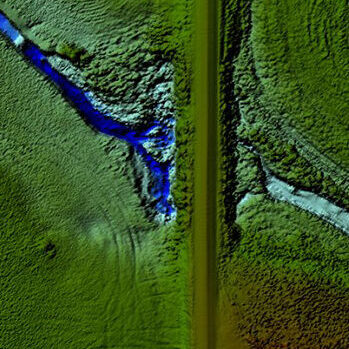
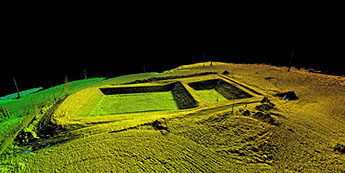
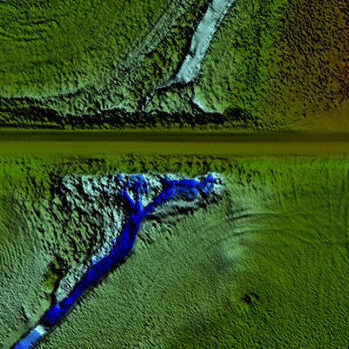
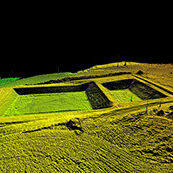
Digital Elevation Models (DEMs) are 3D representations of the earth’s surface used in surveying, engineering, and environmental analysis.
There are two main types:
- Digital Surface Models (DSMs), which include buildings and vegetation.
- Digital Terrain Models (DTMs), which represent the bare ground.
Sensors:
Digital Elevation Models (DEMs) can be created from photogrammetry, LiDAR, or satellite data, and are essential for drainage design, volume calculations, site planning, road and rail design, grading, and calculating earthwork volumes.
Change Detection
Monitoring Environmental and Geophysical Changes
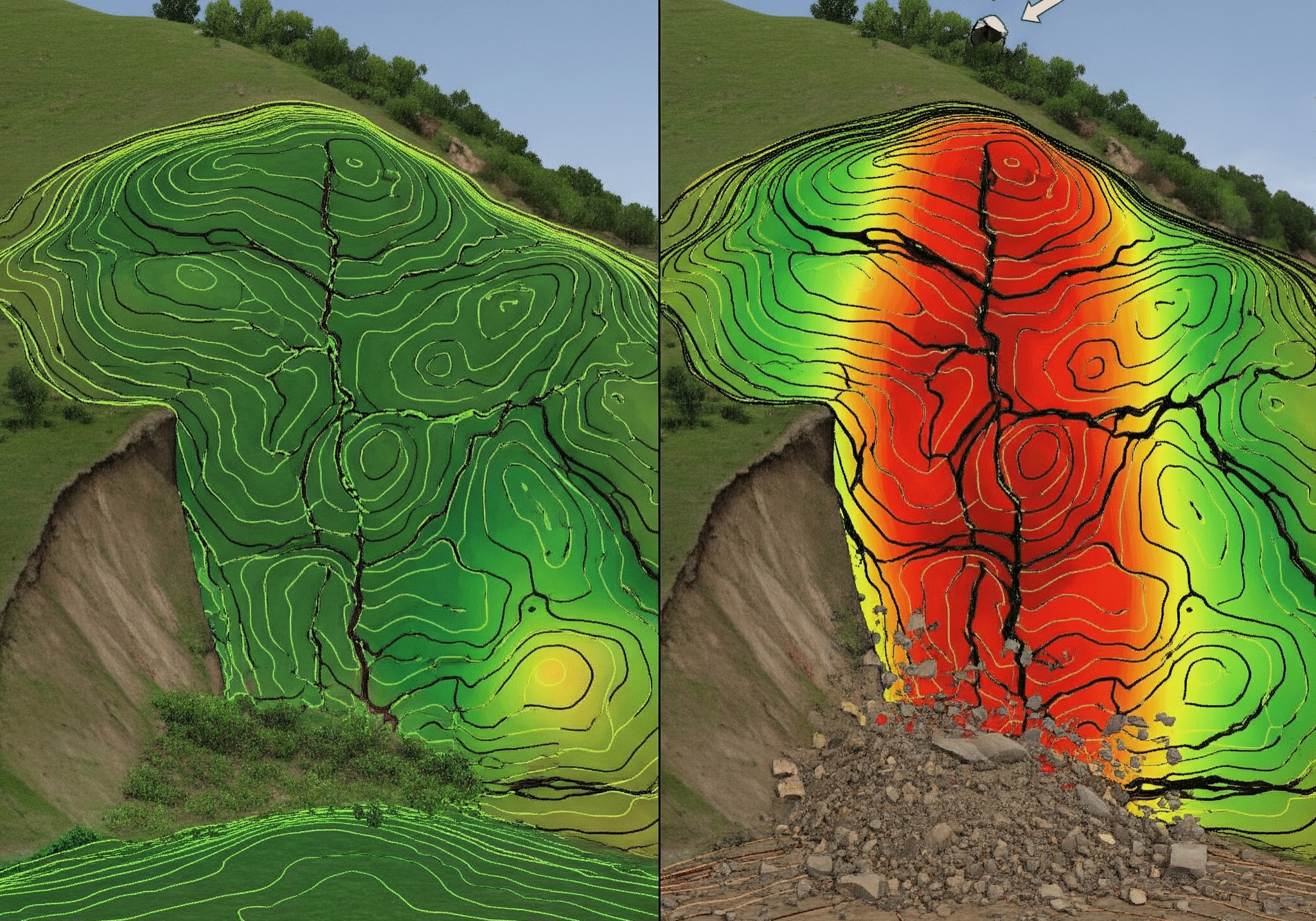
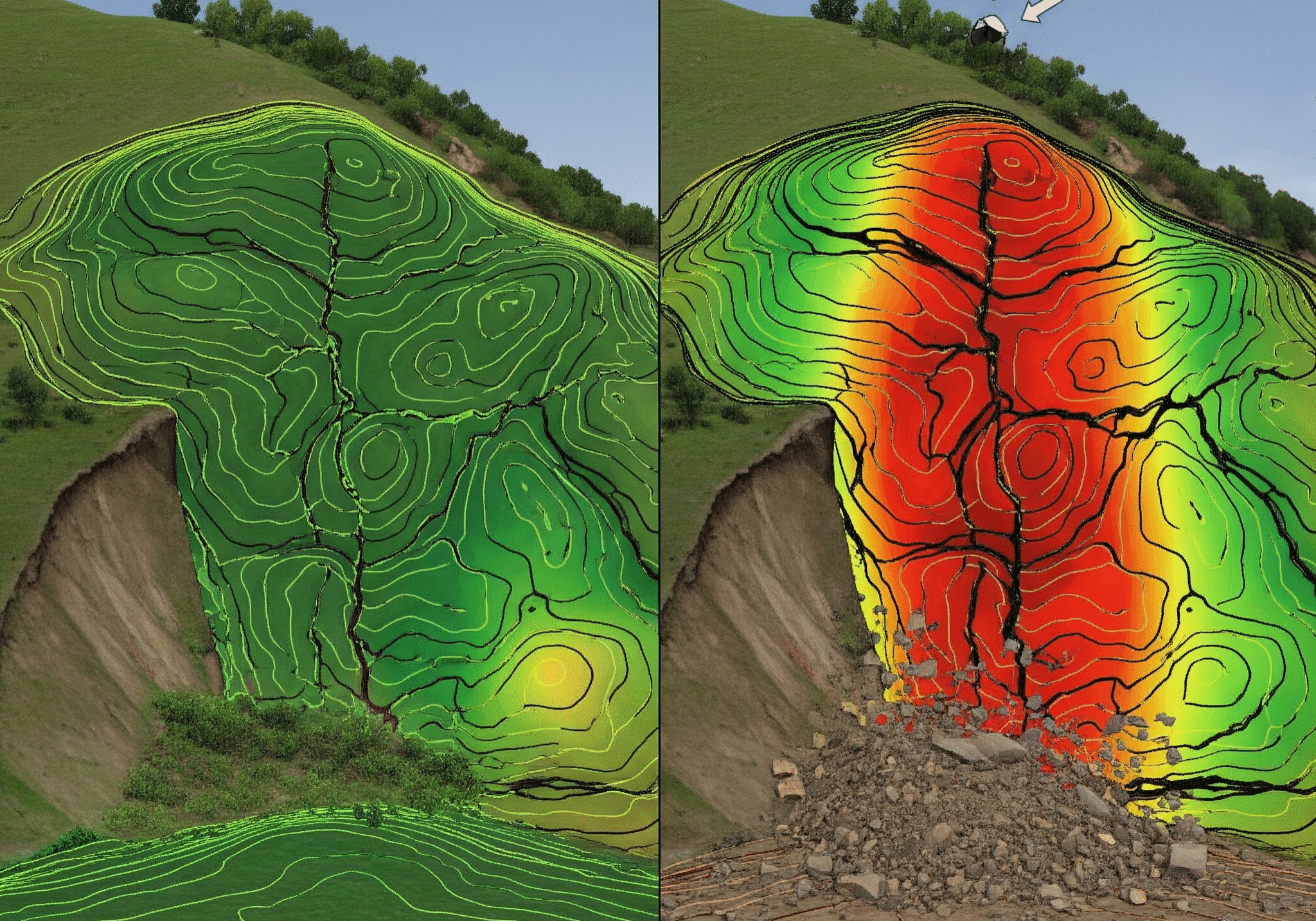
Change detection, utilizing data from airborne platforms and ground sensors, offers a powerful way to monitor and analyze modifications in landscapes, infrastructure, and environmental conditions.
These platforms, equipped with multispectral, LiDAR, and thermal sensors, capture high-resolution imagery and data, providing detailed insights into changes over time. D
Drones and ground-based systems enable precise, localized monitoring of construction sites, agricultural fields, and critical infrastructure like dams and bridges, while satellites and manned aircraft provide broad-area coverage for regional urban planning, forest management, and coastal erosion tracking.
This technology supports asset management, environmental compliance, and disaster response by delivering accurate, near real-time information on evolving conditions. These insights help industries, governments, and conservation agencies ensure sustainable development, mitigate risks, and respond effectively to environmental and infrastructural changes.
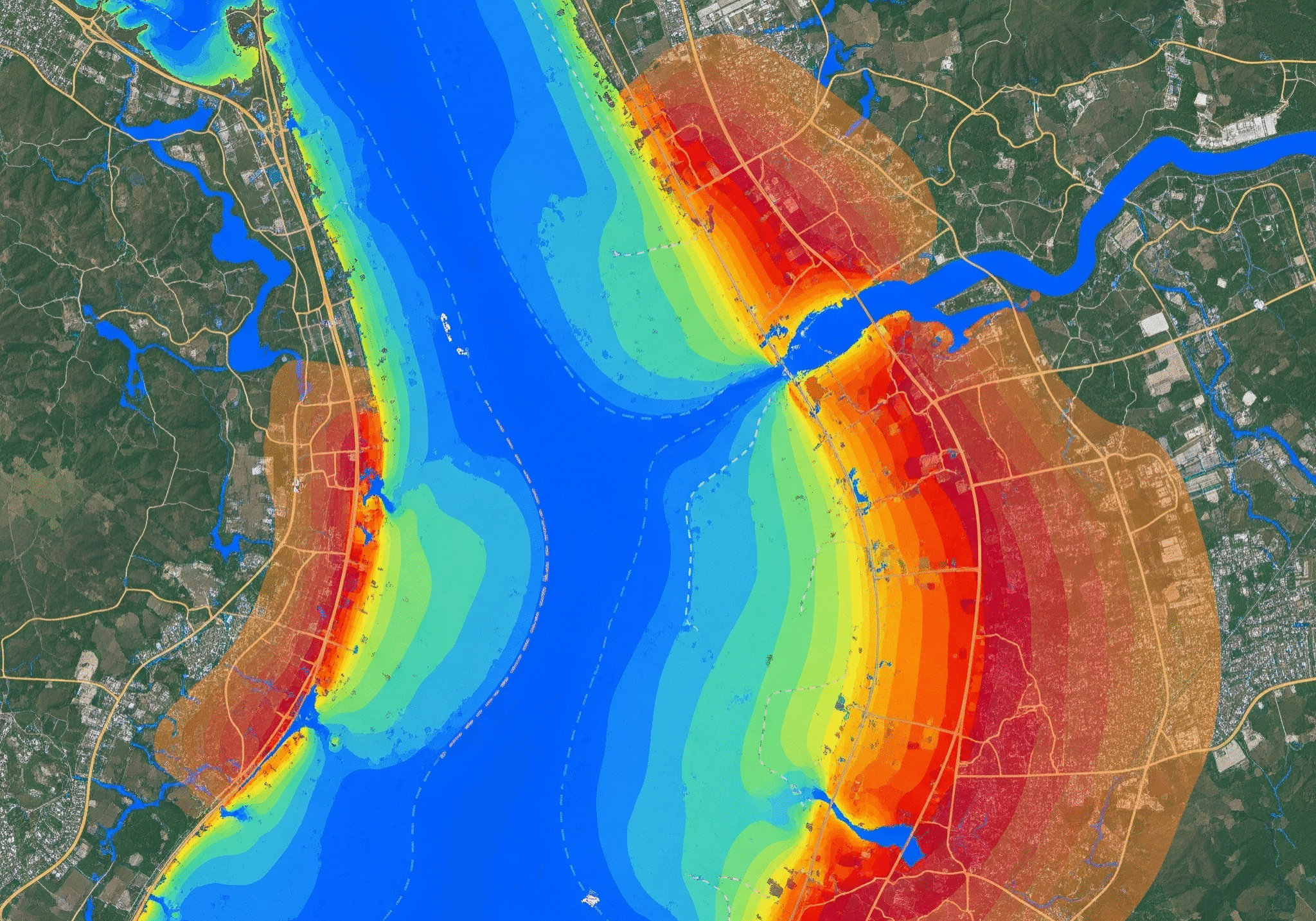
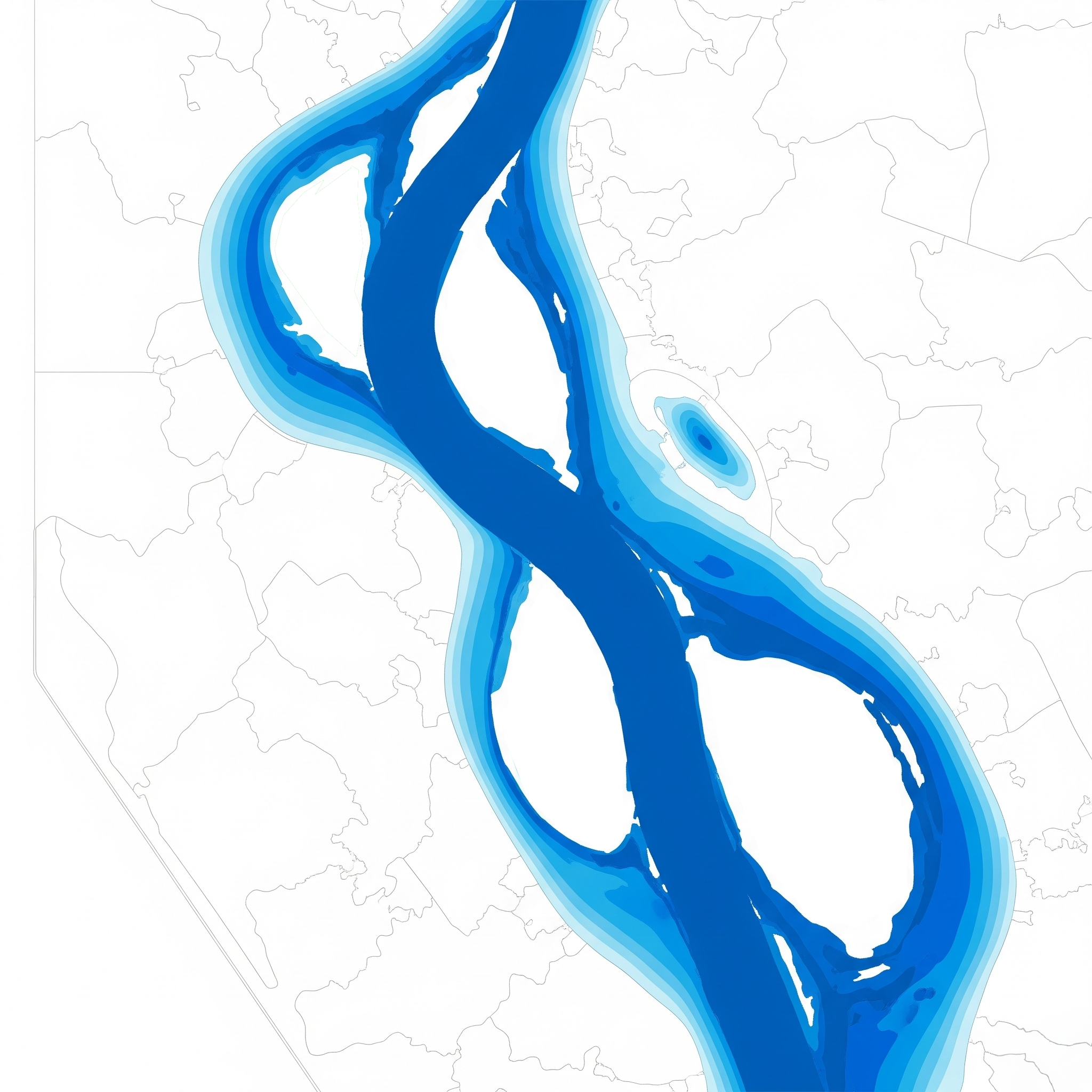
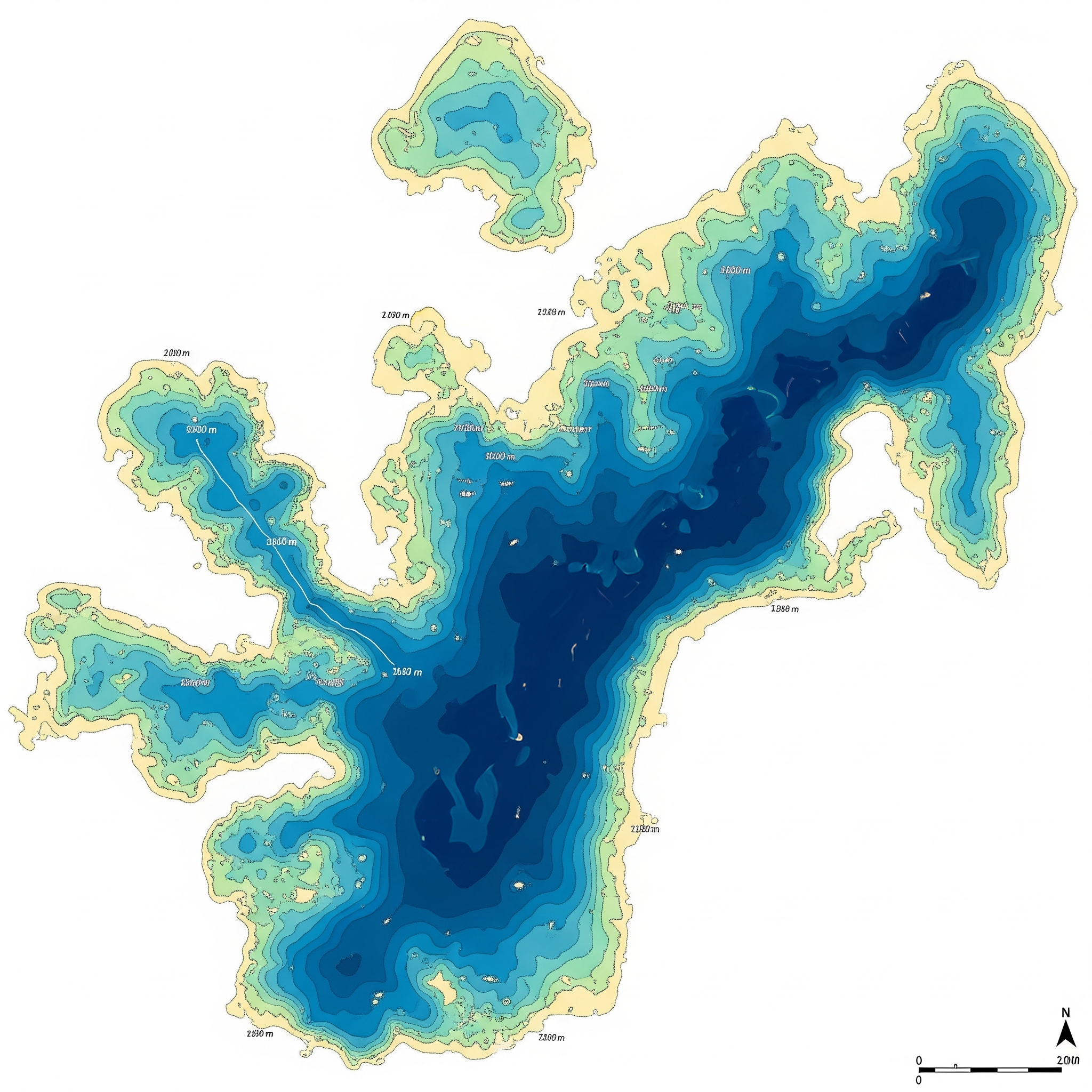
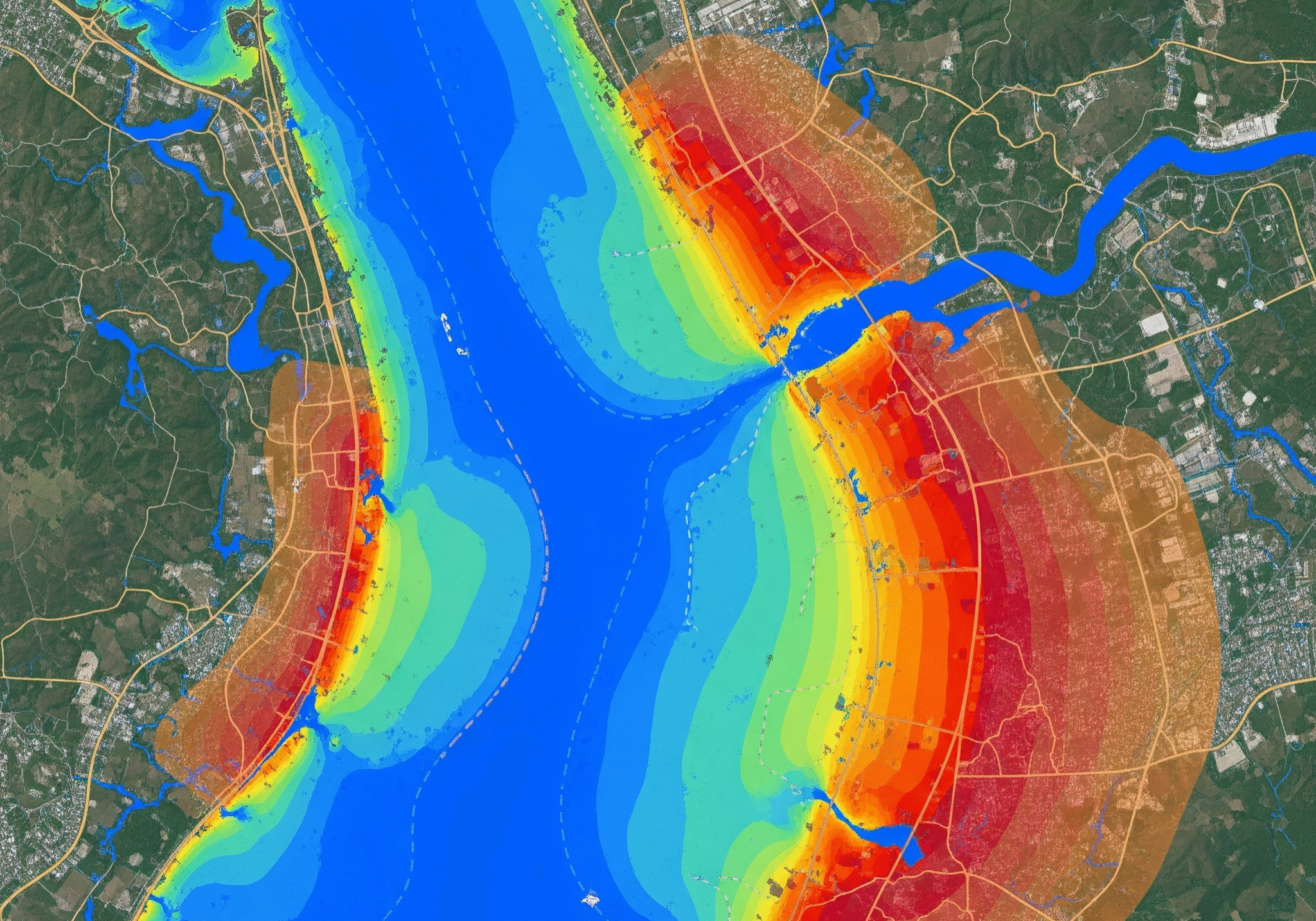
Hydrographic sensing technologies provide powerful tools for mapping and assessing underwater environments.
Bathymetric LiDAR delivers rapid, high-resolution depth data in clear waters, while bathymetric sonar penetrates turbid or dark conditions to generate reliable seafloor profiles. Side scan sonar produces detailed imagery of the seabed, revealing objects, structures, and habitat features, and bottom density sonar adds insight into sediment composition and substrate firmness.
Sensors:
These complementary systems range from drones and vessels for localized, high-resolution surveys to aircraft for wide-area coastal mapping, enabling precise charting, habitat monitoring, and infrastructure inspection.
Together, they support safe navigation, environmental protection, and resource management by providing accurate, near real-time insights into underwater terrain and conditions.
Data Collection
You have reached the end of the line, for now...
Feel free to keep reading more about our data collection types with the links below or reach out to our email directly or through our contact page at the links in the footer.