Sensor Types
Our Available Data Collection Sensors and Systems
Sensors
Our Available Sensors and Systems

Data Types
We offer a variety of sensor and platform types to efficiently collect the data needed for your project.
Sensor Types
LiDAR
Custom Sensors
Have specific data requirements or a type of data not listed? Please contact us to inquire about custom sensor integrations onto our airborne and terrestrial platforms.
LiDAR
Light Detection And Ranging
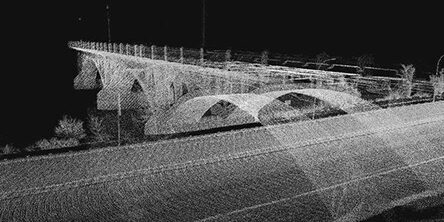
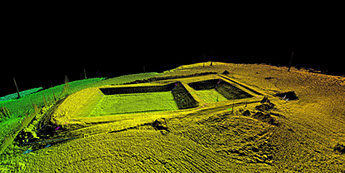
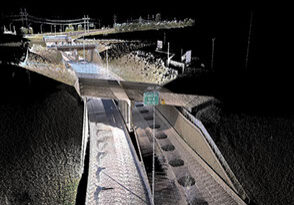
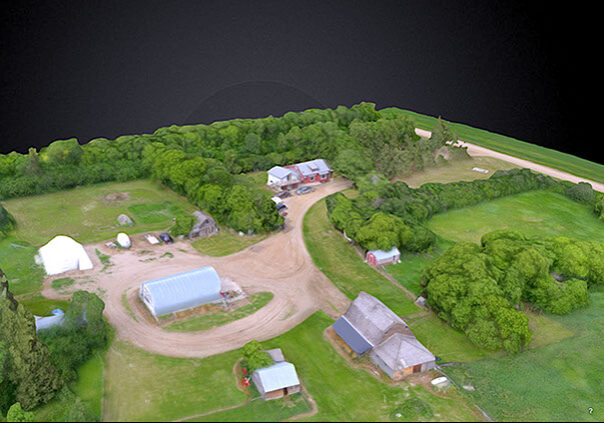
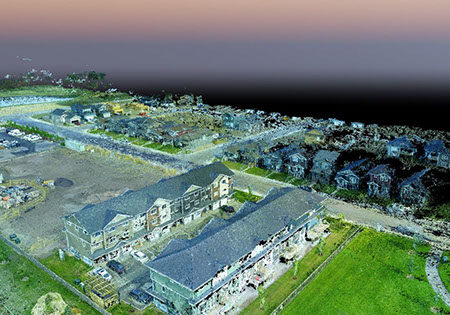
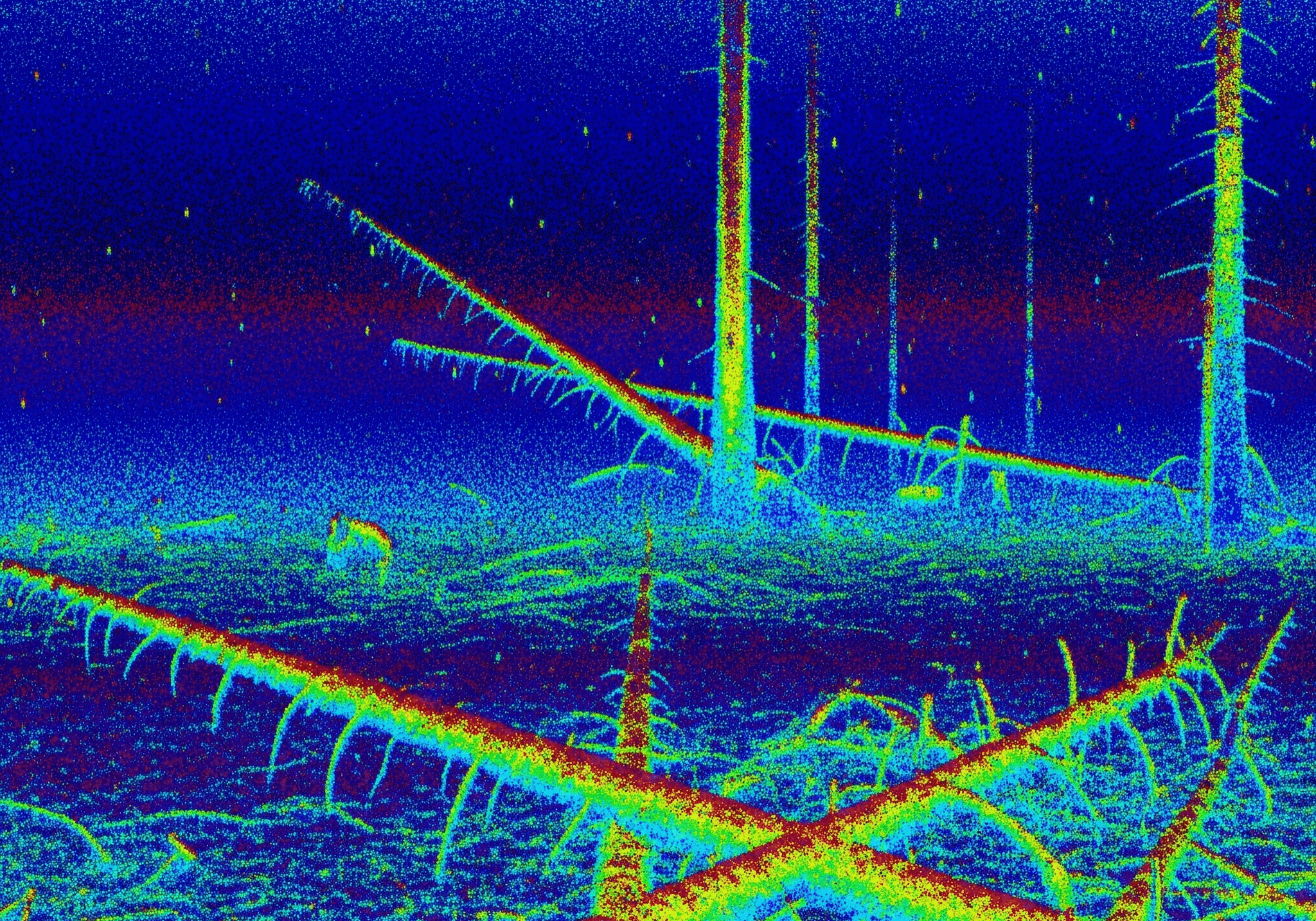
LiDAR (Light Detection And Ranging) uses laser scanning systems mounted on aircraft, drones (RPAS & UAVs), vehicles, and terrestrially mounted to gather points in 3D space.
As shown above, visual imagery can then be used to colourize these point clouds to make assets more recognizable. Our LiDAR data sets can also be colourized using overlayed thermal, multispectral, hyperspectral, or reflectivity data.
Topographic LiDAR
Mapping & Classifying the Surface
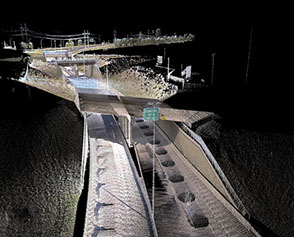
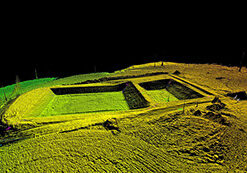
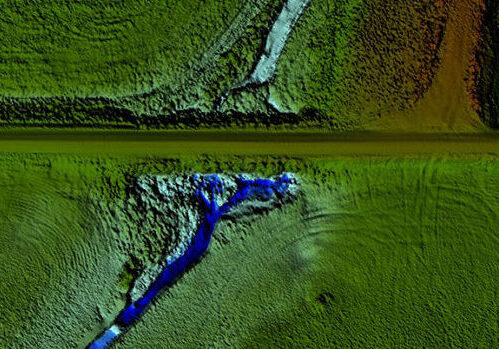
Topographic LiDAR uses laser scanning systems to capture highly accurate 3D points of the Earth’s surface, vegetation, utilities and built features.
The point clouds can be processed to classify points as specific features (curbs, signs, trees, utility poles/lines, or vehicles) or more general categories such as ground, low/medium/high vegetation, buildings, roads, and water.
Topographic LiDAR datasets are used to generate digital twins, digital terrain models (DTMs), digital surface models (DSMs), ground cover classifications, and to perform forestry monitoring, volume calculations, construction, infrastructure planning, environmental studies, and risk assessments.
Bathymetric LiDAR
Mapping the Depths with Precision
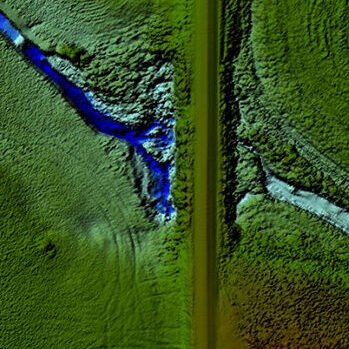
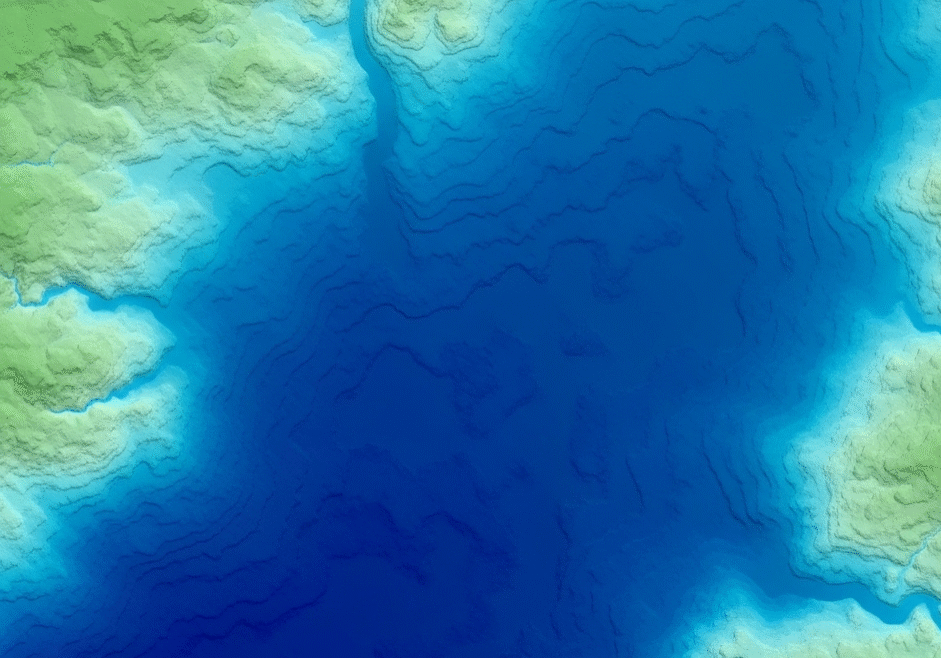
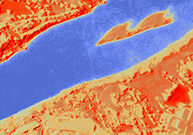
Bathymetric LiDAR uses non infrared (commonly green 510-570nm) laser scanning systems to penetrate the water's surface and capture 3D points of both above and underwater terrain and features.
Bathymetric LiDAR datasets support the creation of high-resolution seafloor and riverbed models, shoreline mapping, habitat classification, sediment analysis, and change detection over time.
This technology provides critical data for coastal management, flood modeling, navigation safety, environmental monitoring, and infrastructure planning.
Spectral Imaging captures information across multiple wavelengths within and beyond the visible spectrum.
This technique provides rich datasets that reveal material composition, health, and features not visible to the human eye.
Our spectral data can be visualized in true or false colour, and enhanced with overlays to highlight key features, making assets or defects more distinguishable.
Spectral Imaging captures data across visible and invisible wavelengths, revealing material composition and condition beyond human sight.
Our datasets can be displayed in true or false colour and enhanced with overlays to highlight key features.
Multi-Spectral
Imaging The Unseen
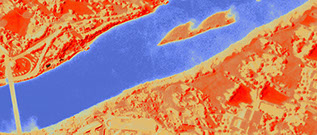
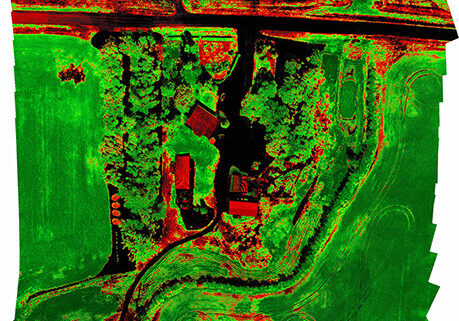
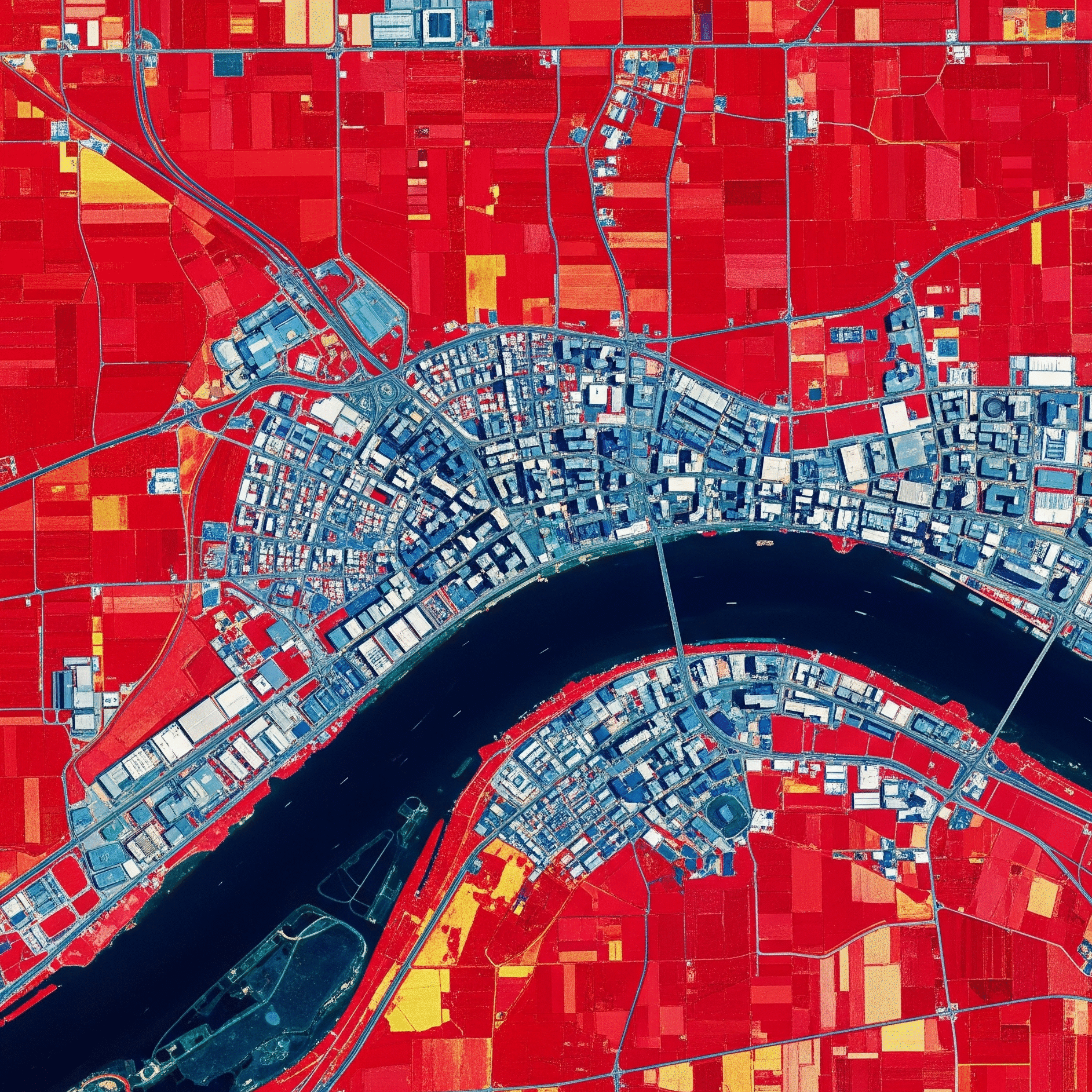
Multispectral imaging utilizes sensors capable of seeing light frequencies further into the electromagnetic spectrum than our human vision is capable of.
Multispectral imaging captures wide band images commonly utilizing 3-20 bands and imaging into the infra red or ultra violet spectrum.
This data can be used to create NDVI and vegetation health or biome maps, detect algae blooms, or analize fire and flood impacts.
Hyper-Spectral
Uncovering Invisible Signatures
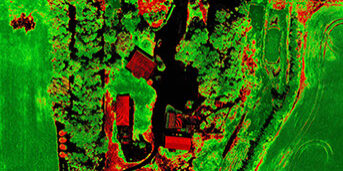
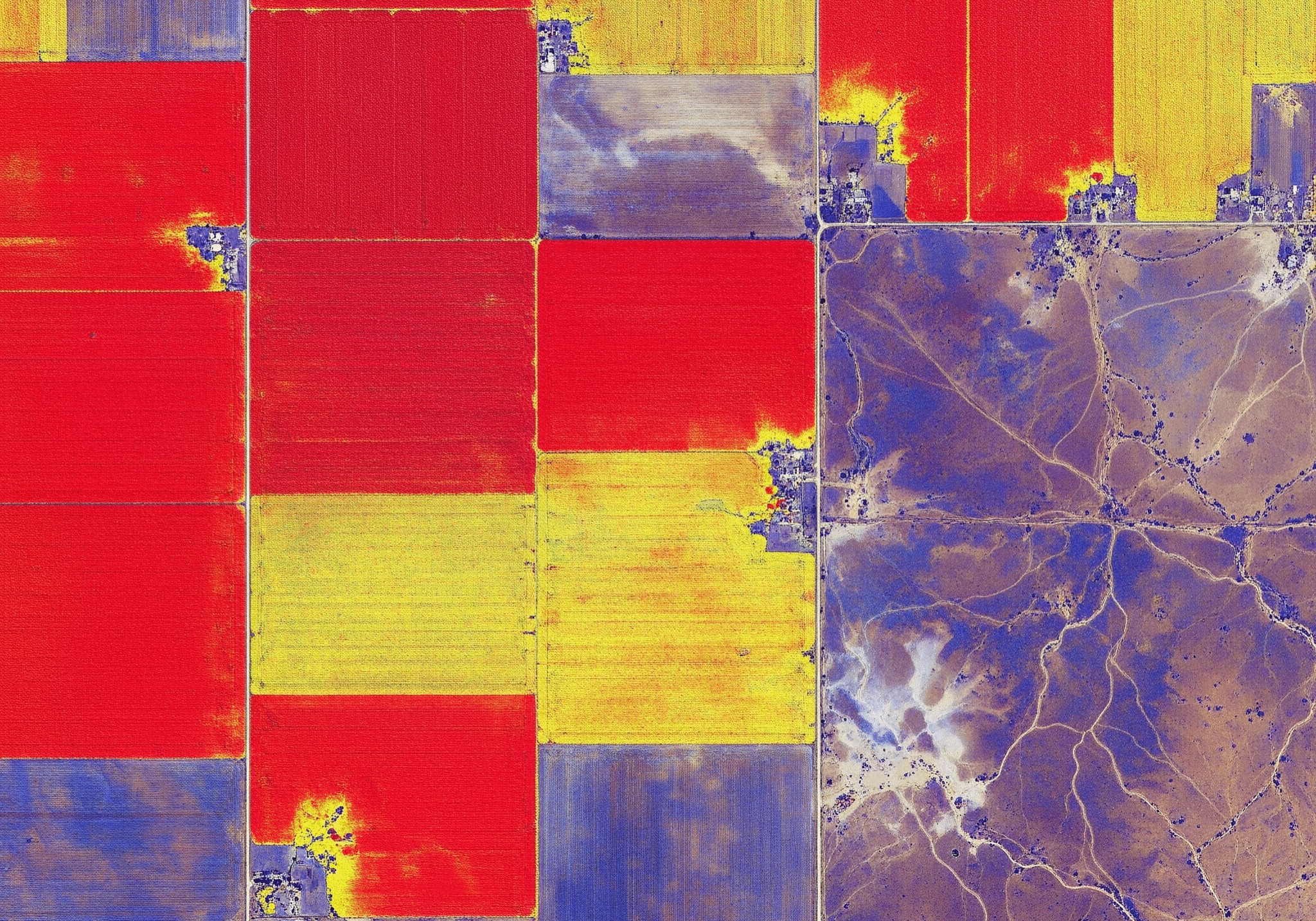
Hyperspectral imaging captures hundreds of specific spectral bands in the visual, infra red, and/or ultra violet spectrums allowing specific wavelengths to be analyzed.
These specific spectral bands can be used for detailed material identification.
This data can be used to detect invasive plant species, surface geology, detect power line leaks and shorts, and detect hydrocarbon or chemical emissions.
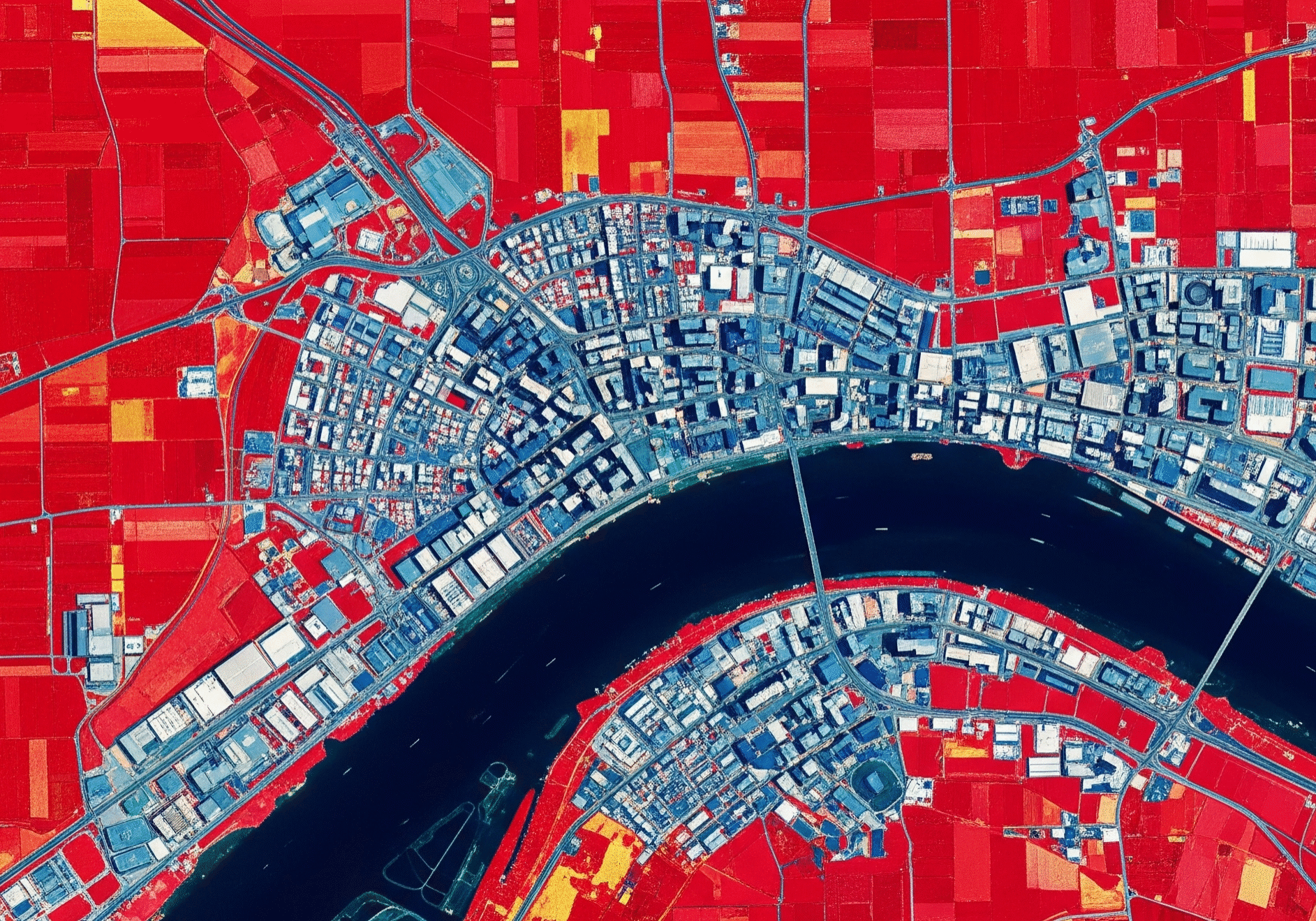
High-resolution imagery supports corridor mapping and site monitoring, while targeted inspections of pipelines, power lines, and plants reveal condition and potential risks. Advanced processing enables the creation of accurate 3D models, enhancing visualization, measurement, and planning for infrastructure and land management.
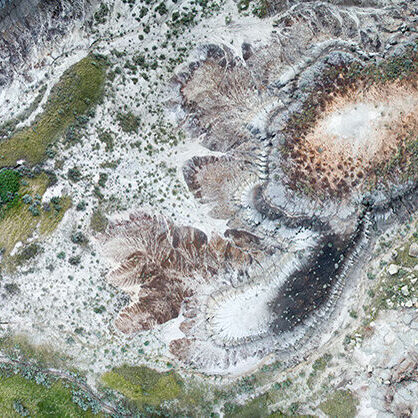
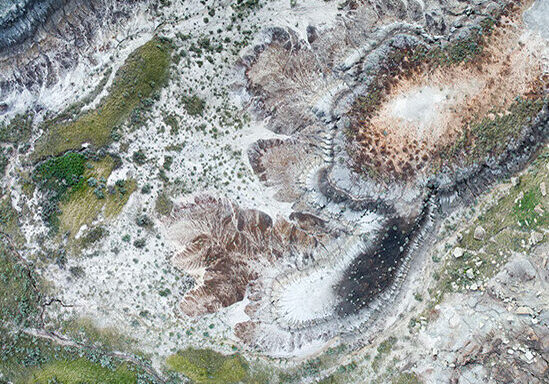
Mapping
Charting Landscapes with Clarity
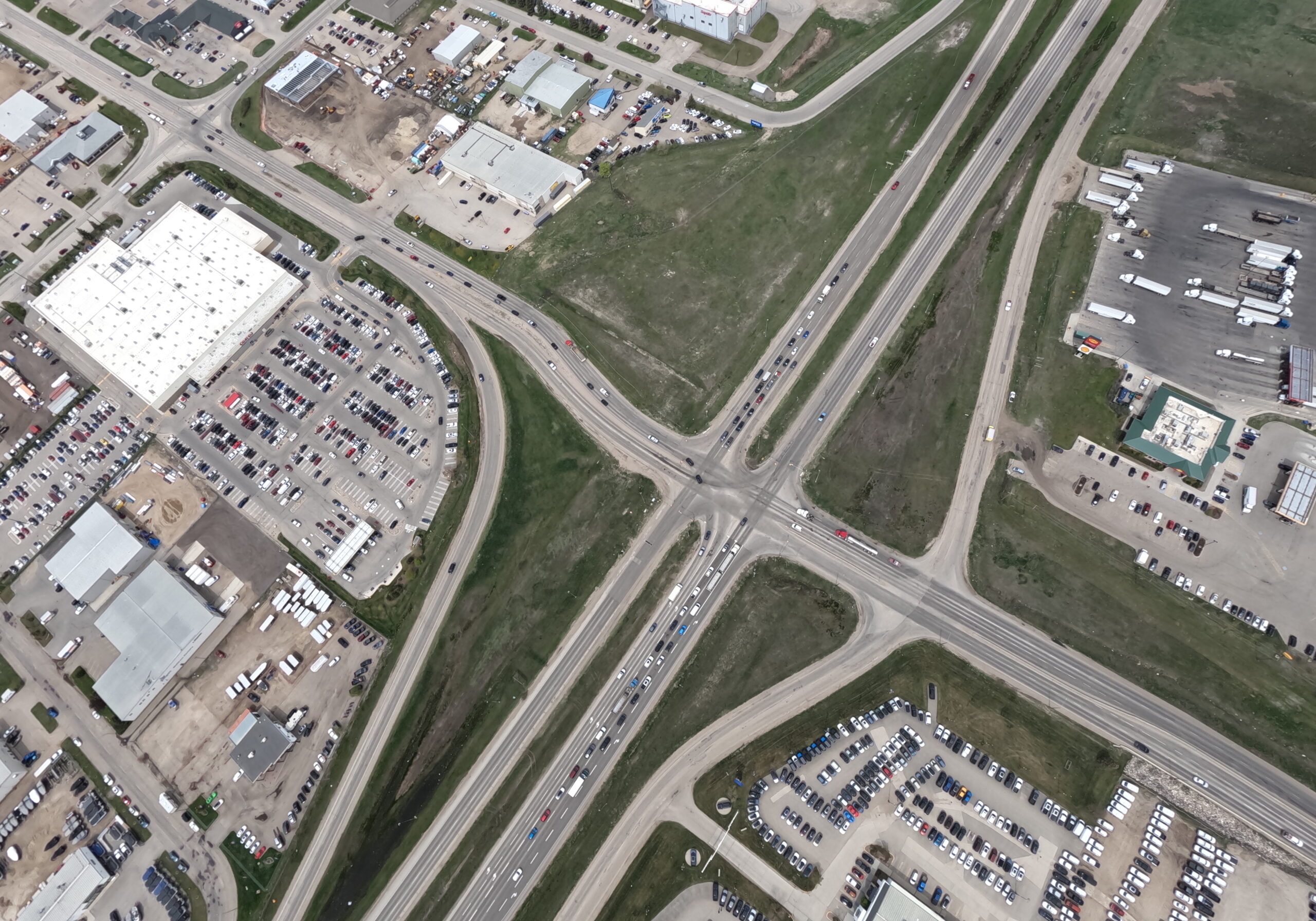
High resolution orthographic (2D Mapping) or multi angle aerial imagery can be collected from satellites or our fleet of aircraft and drones (UAVs/RPAs).
Utilizing LiDAR or Photogrammetric (3D photo modeling) these images can be accurately stitched and overlayed on to digital surface models and terrain to create accurate, stunning, and up to date aerial maps.
These ultra high resolution maps can be exported to your GIS systems, used to monitor construction progress/environmental changes, or be utilized as map tiles in consumer navigation systems.
Inspection
Elevating Asset Awareness
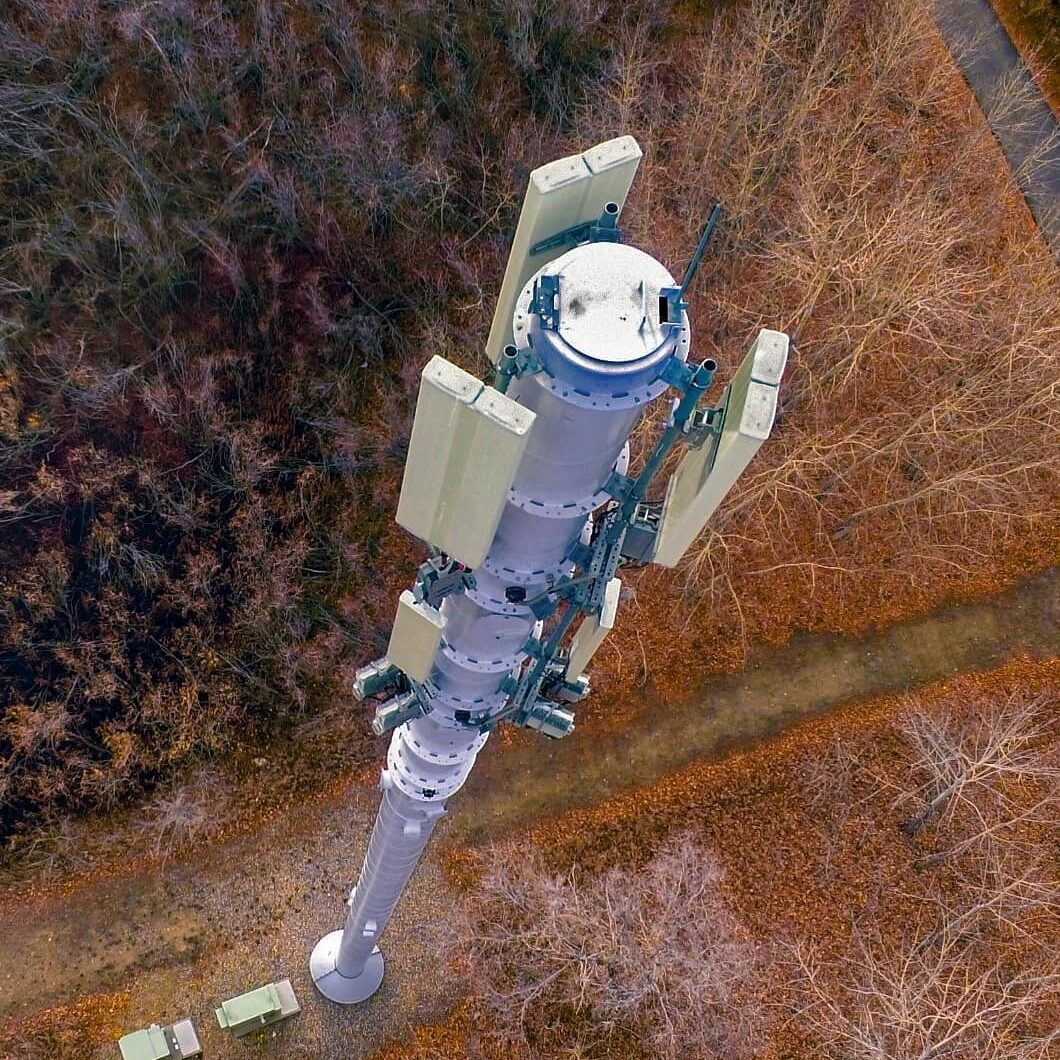
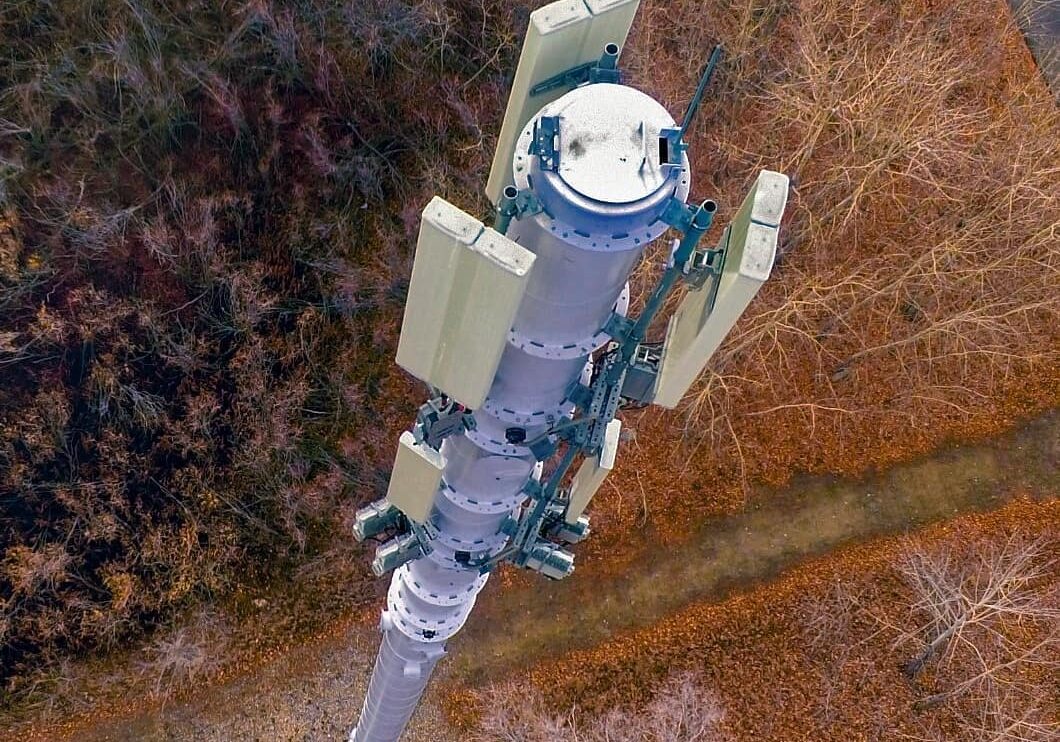
High-resolution and zoom cameras capture fine visual details across large areas and specific points of interest, enabling precise inspection and monitoring.
These systems can identify cracks, corrosion, or damaged components on utility assets, track construction activities in real time, and verify site conditions with exceptional clarity.
This data supports proactive maintenance, quality assurance, and progress documentation, ensuring safe, efficient, and compliant operations.
Modeling
Modeling Progress, Shaping Decisions
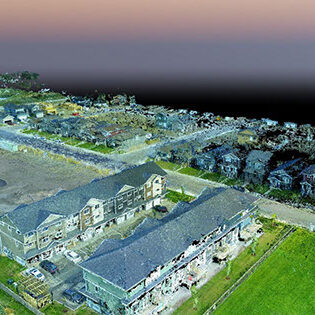
High-resolution visual imagery provides the foundation for creating accurate 3D models of construction sites and infrastructure.
By capturing detailed surface features from multiple angles, this data enables precise digital twins that reflect real-world conditions. These models support progress tracking, quality verification, and planning, giving stakeholders clear, measurable insights into every stage of a project.

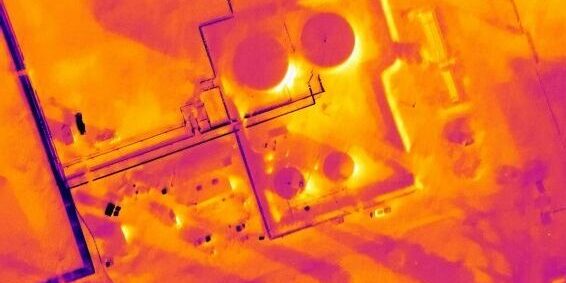
Aerial inspection of sites and linear assets offers a powerful way to monitor and assess the condition of infrastructure and land.
Drones and helicopters provide localized, high-resolution views for detecting specific issues, while manned aircraft and satellites offer wide-area coverage for comprehensive corridor mapping and large-scale assessments.
This technology supports proactive maintenance, risk assessment, and regulatory compliance by delivering accurate, near real-time data on asset health and emergency response to missing persons, as well as urban and wildfire events.
These insights help industries and governments ensure operational safety, minimize downtime, and make informed decisions about infrastructure management.

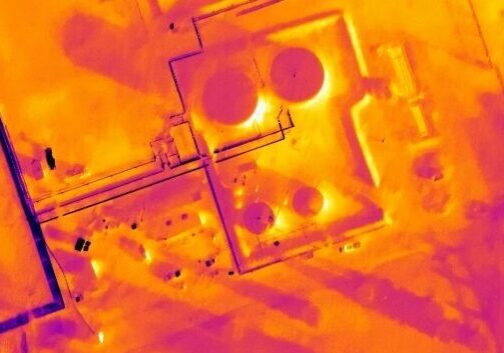
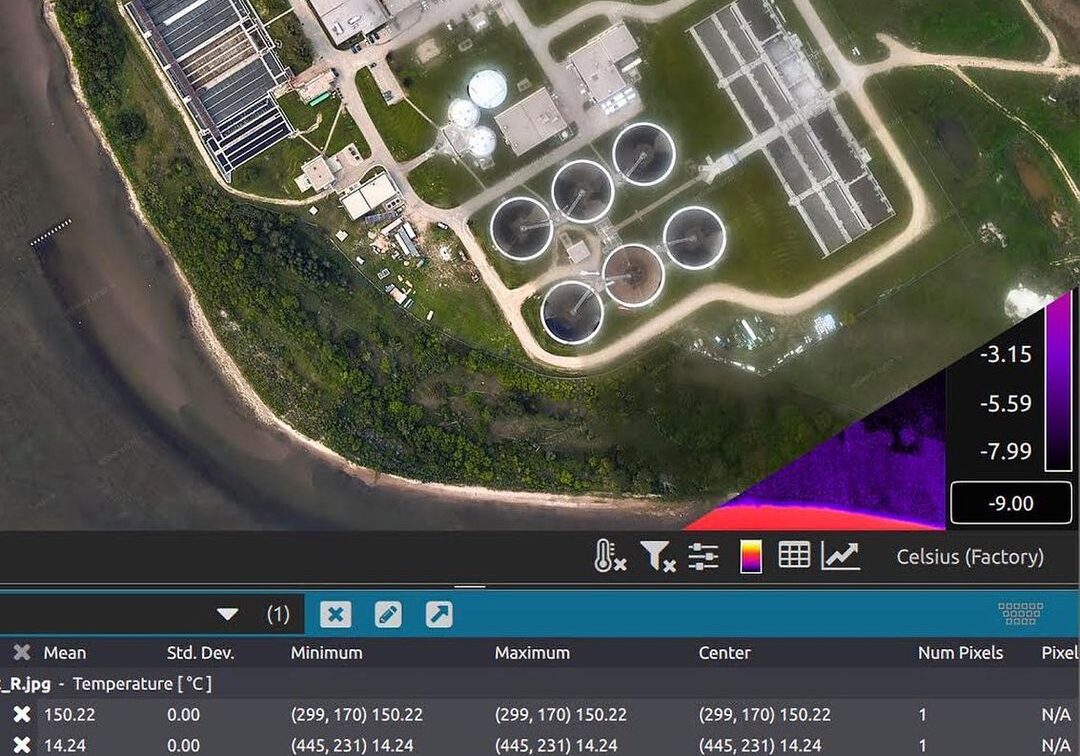
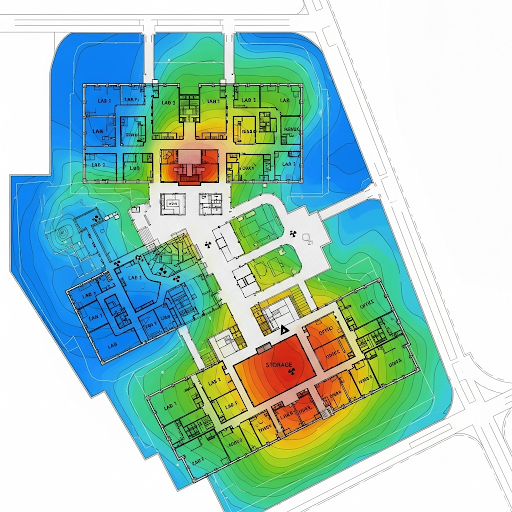
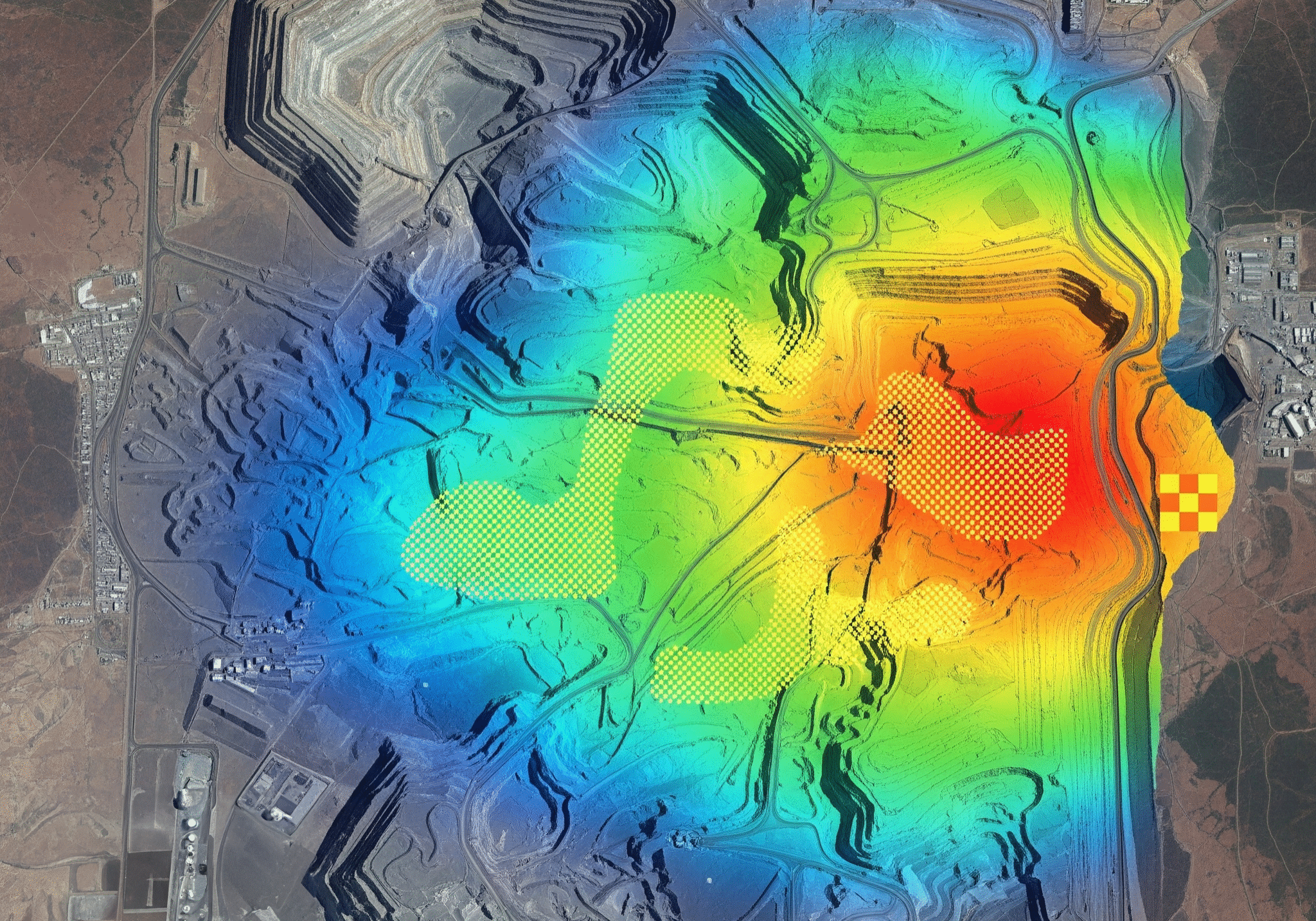
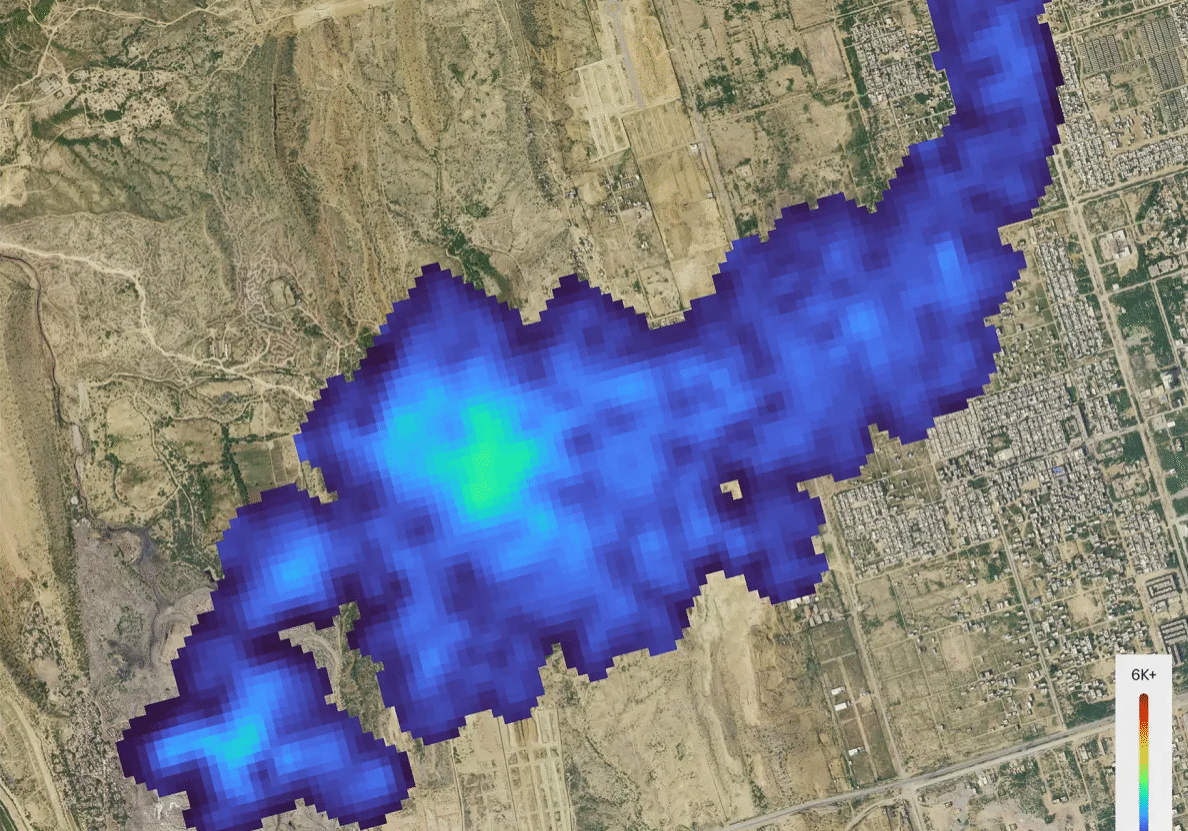
Emissions monitoring leverages sensors to detect and measure electromagnetic signals, radio frequencies, radiation, hydrocarbons, and airborne compounds across multiple environments and platforms.
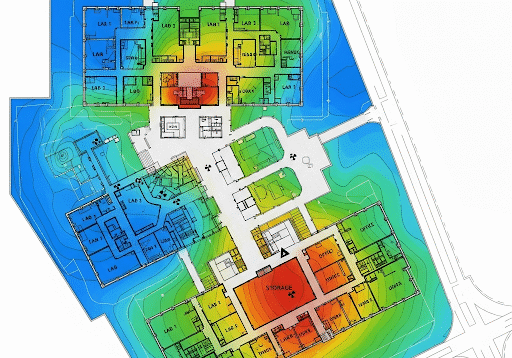
As shown above, these emissions can be visualized to identify sources, track dispersion, and assess intensity. Our emissions datasets can also be overlayed onto thermal, visual, floorplans, or GIS to enhance clarity and make patterns more recognizable.
Emissions monitoring uses sensors to signals, frequencies, radiation, and airborne compounds across platforms.
These emissions can be visualized to locate sources, track dispersion, and assess intensity.
Electro-magnetic & Radio Frequency
Spectrum Inteligence From The Sky
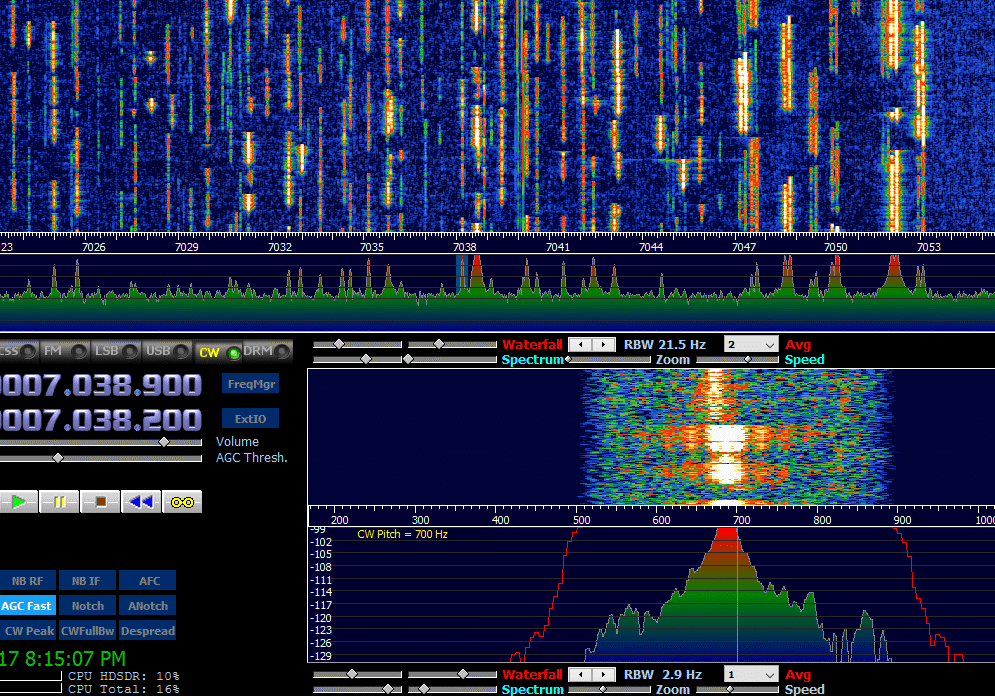
Electro Magnetic (EM) and Radio Frequency (RF) sensing to verify transmitters, find noise sources, identify faults in electricity transmission systems, and
Additonally use our airborne platforms as a base to relay communications though repeaters or collect data from ophaned mesh nodes such as geophysical sensors, and smart water, gas, or electric meters.
Our teams are experienced in RF beacon searches to find ELTs, PLBs, and wildlife collars.
EM and RF aerial maps can be used to select open frequencies for new communication networks and quantify the effectiveness of current network systems.
Radiation
Revealing Radiation, Ensuring Safety
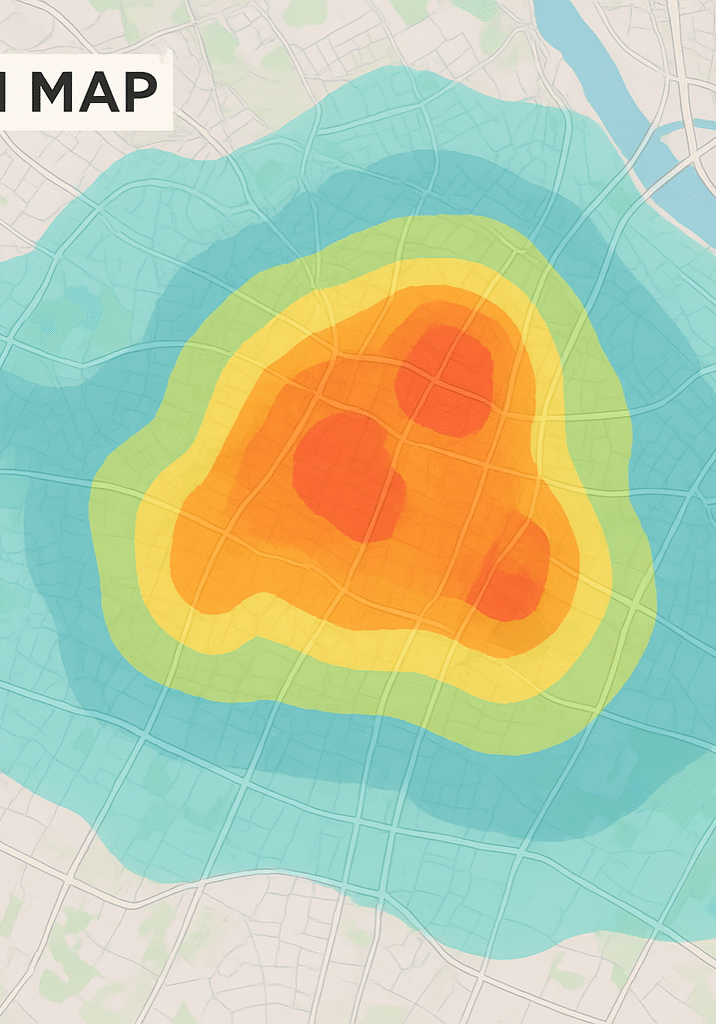
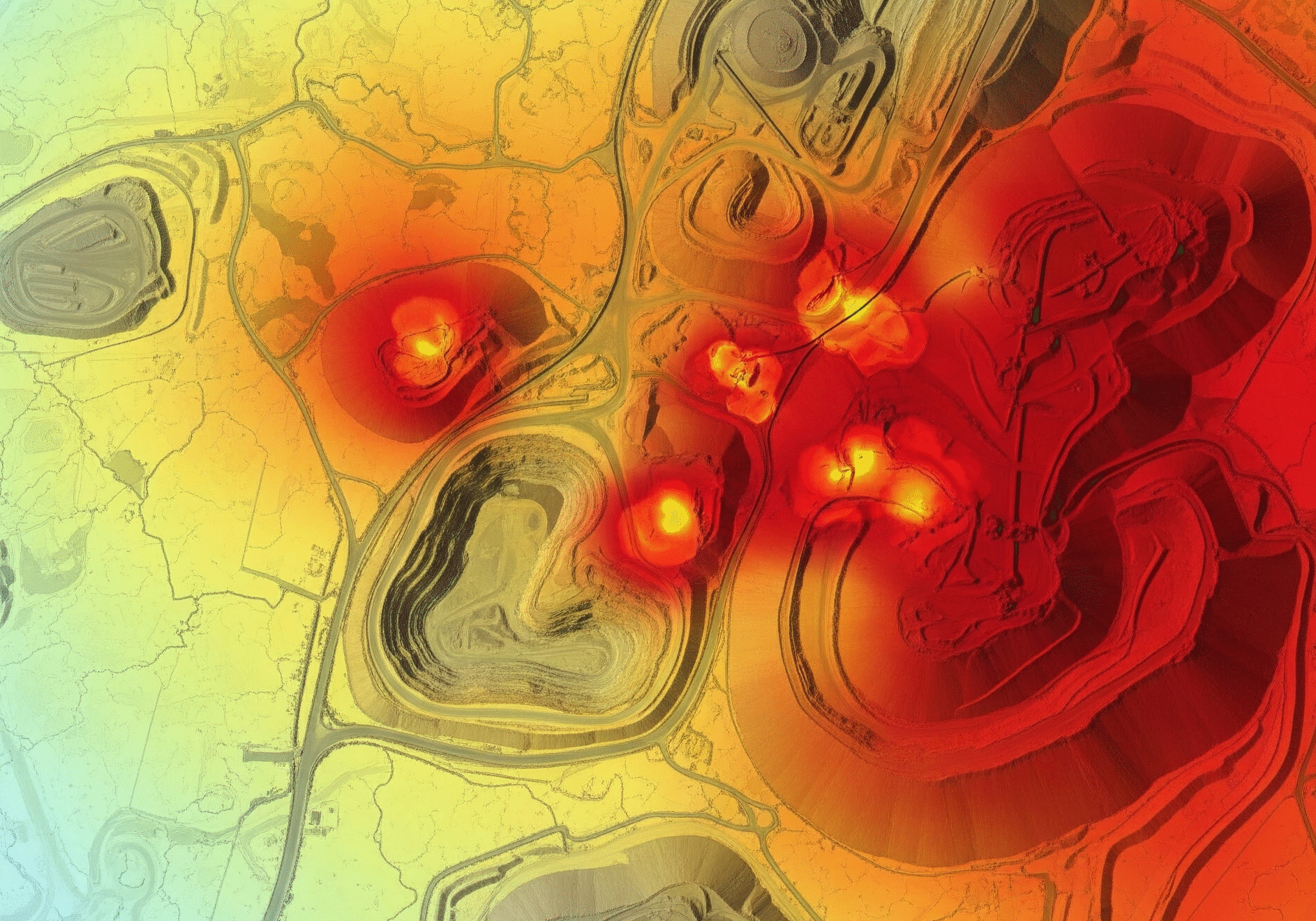
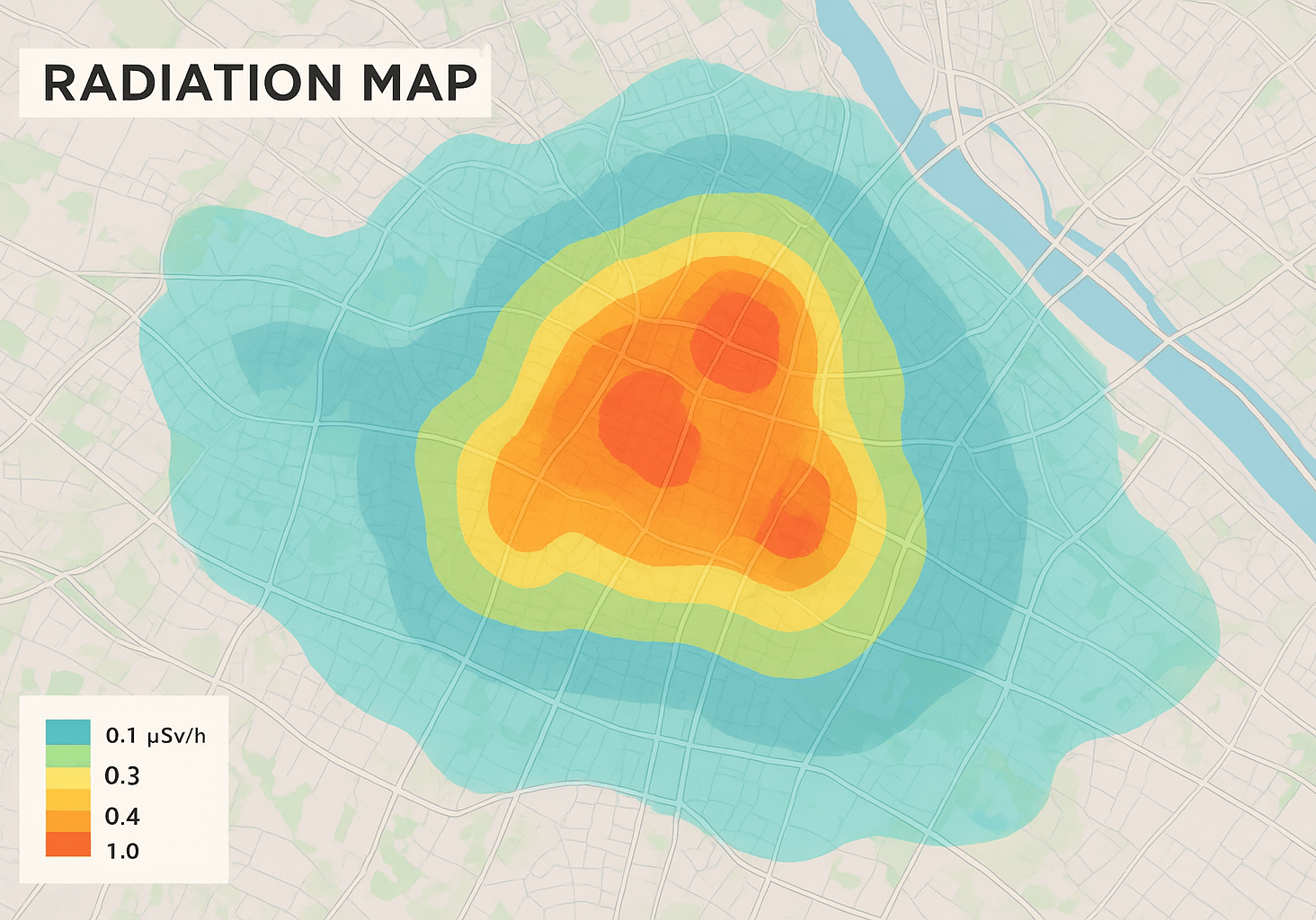
Radiation detection and mapping employs specialized sensors on drones, aircraft, and ground systems to measure and visualize beta and gamma radiation across diverse environments.
These platforms can capture both localized, high-resolution data for site inspections and broad-area coverage for regional assessments, creating detailed radiation maps that reveal intensity, distribution, and potential sources.
By delivering accurate, timely information, this technology supports regulatory compliance, environmental safety, contamination tracking, and emergency response. It enables industries, governments, and first responders to make informed decisions that protect people, infrastructure, and ecosystems from radiological risks.
Airborne Compounds and Gases
Spectrum Inteligence From The Sky
Airborne compound and gas detection uses advanced sensors mounted on drones, aircraft, and satellites to identify and quantify gases and chemical compounds with precision.
By measuring spectral signatures in the atmosphere, this technology can detect emissions, leaks, and pollutants across wide areas, supporting environmental monitoring, industrial inspections, emergency response, and regulatory compliance with accurate, real-time data.
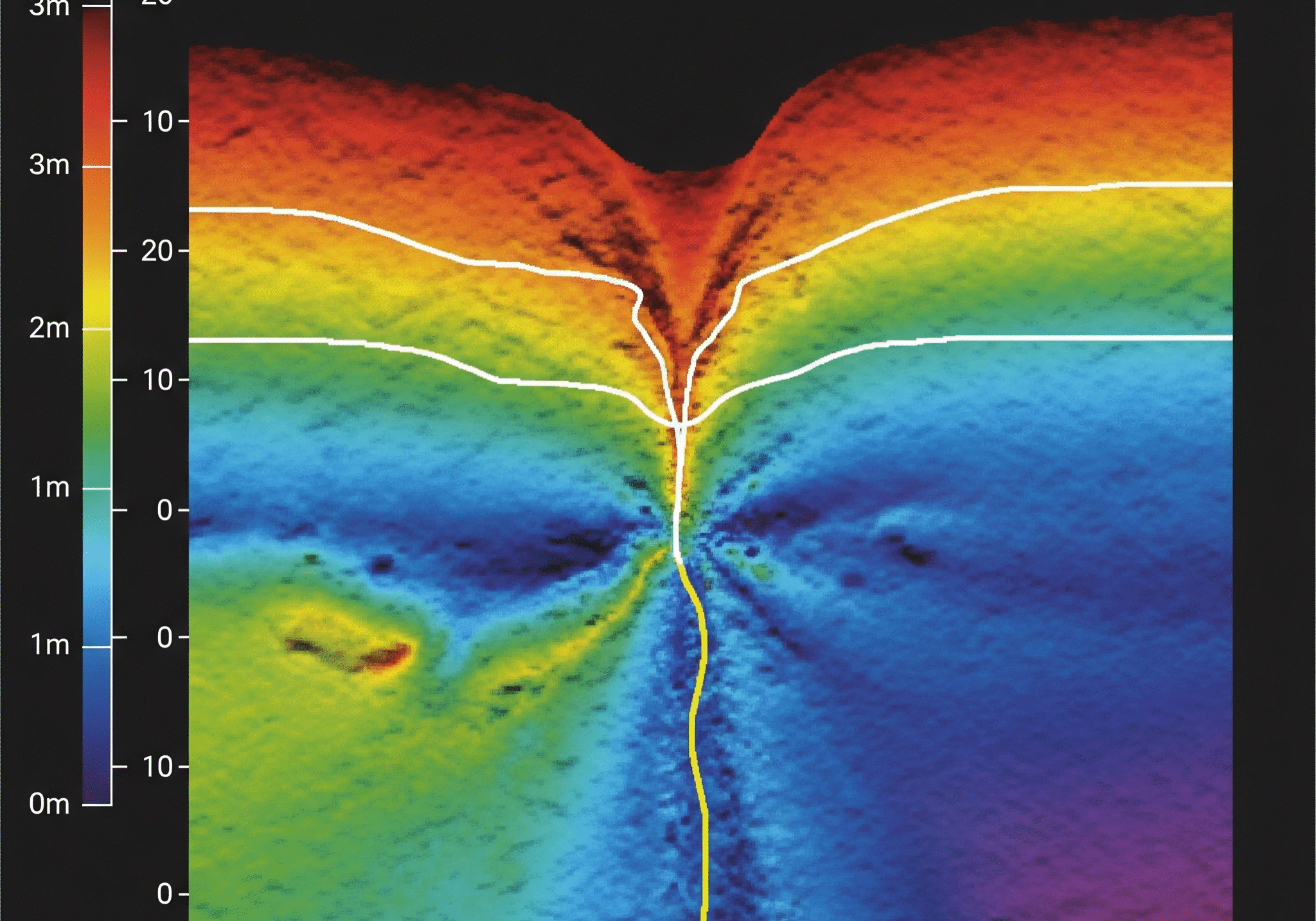
Radar and Sonar systems, including Ground Penetrating Radar, Bottom Density Sonar, Bathymetric Sonar, and Side Scan Sonar, are deployed to map and measure features below the surface of the earth, ice/snow pack, and bodies of water.
Unlike LiDAR, which can be obscured in murky or disturbed water, these Sonar systems penetrate water and subsurface layers, providing reliable data where visibility is limited.

Ground Penetrating Radar
Sounding what lies below

Bottom Density Sonar
Seeing through silt and debris
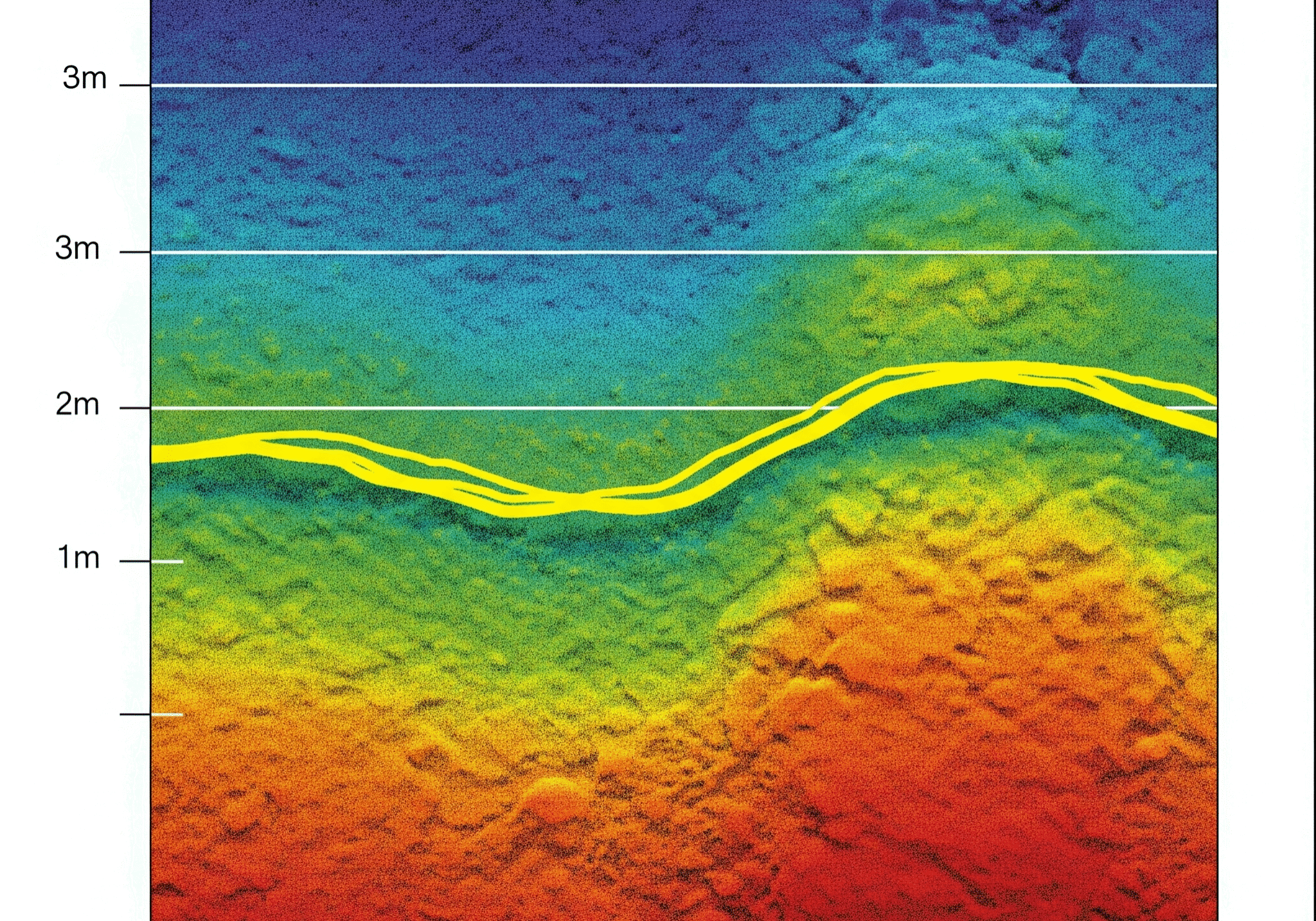
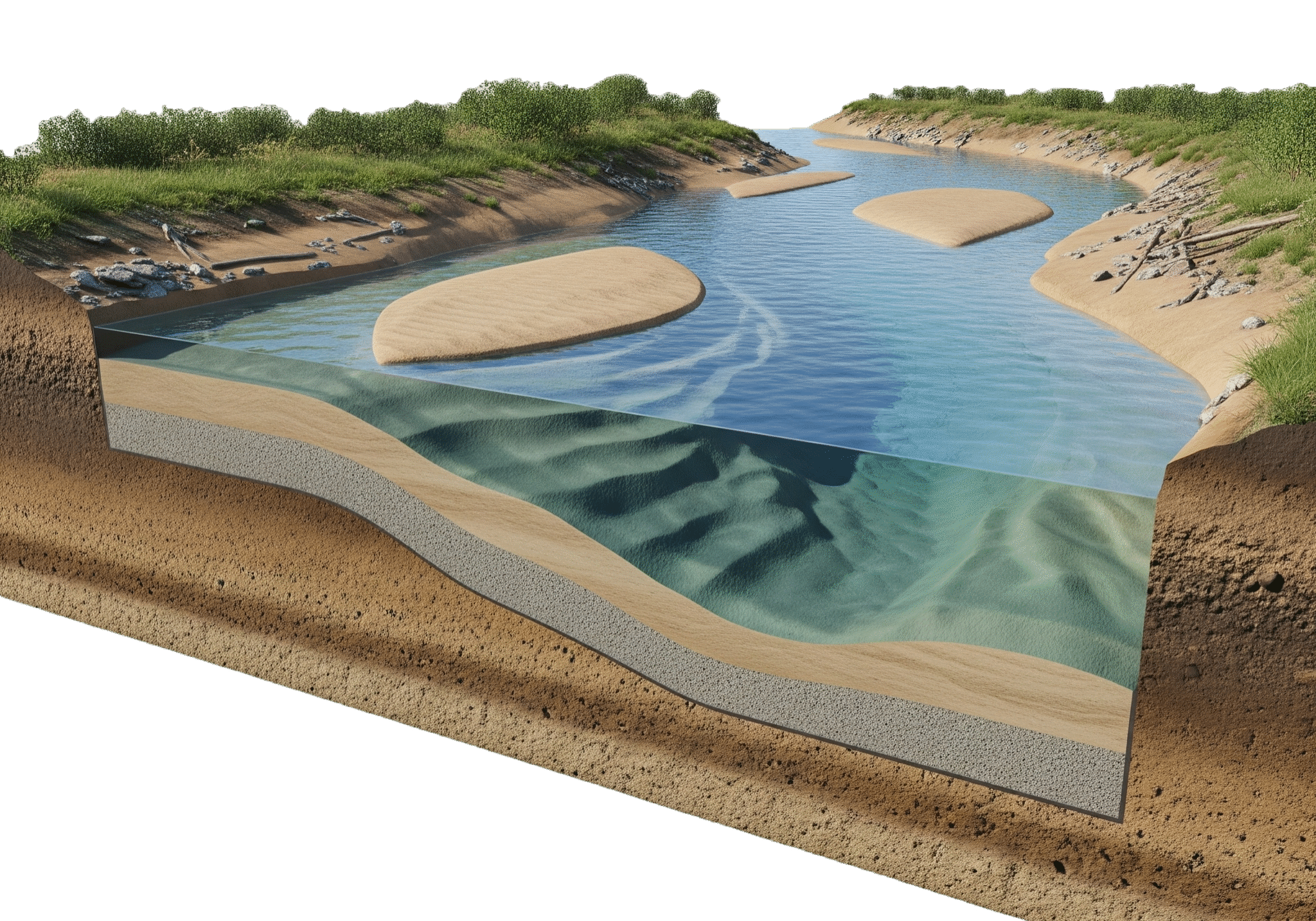
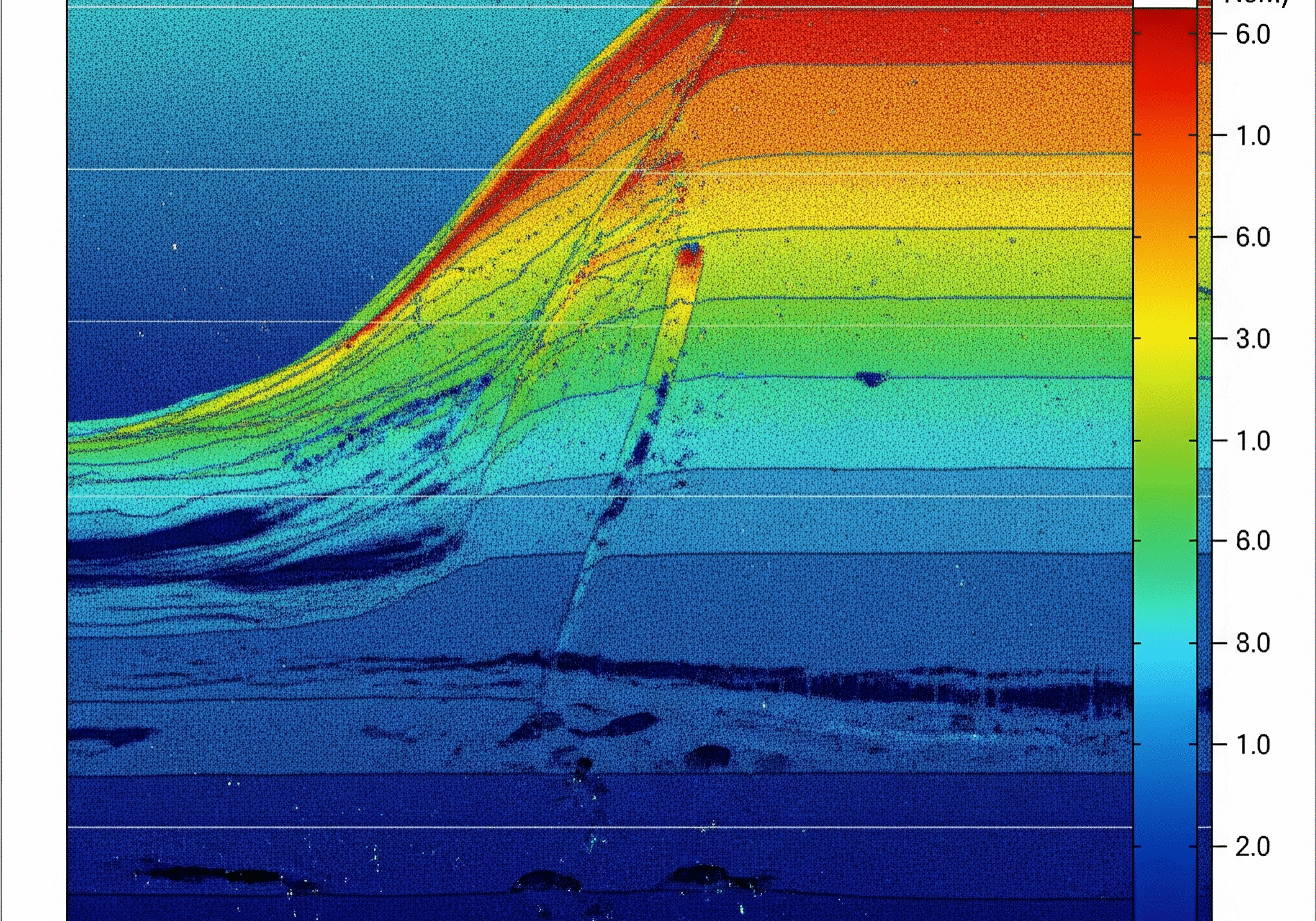
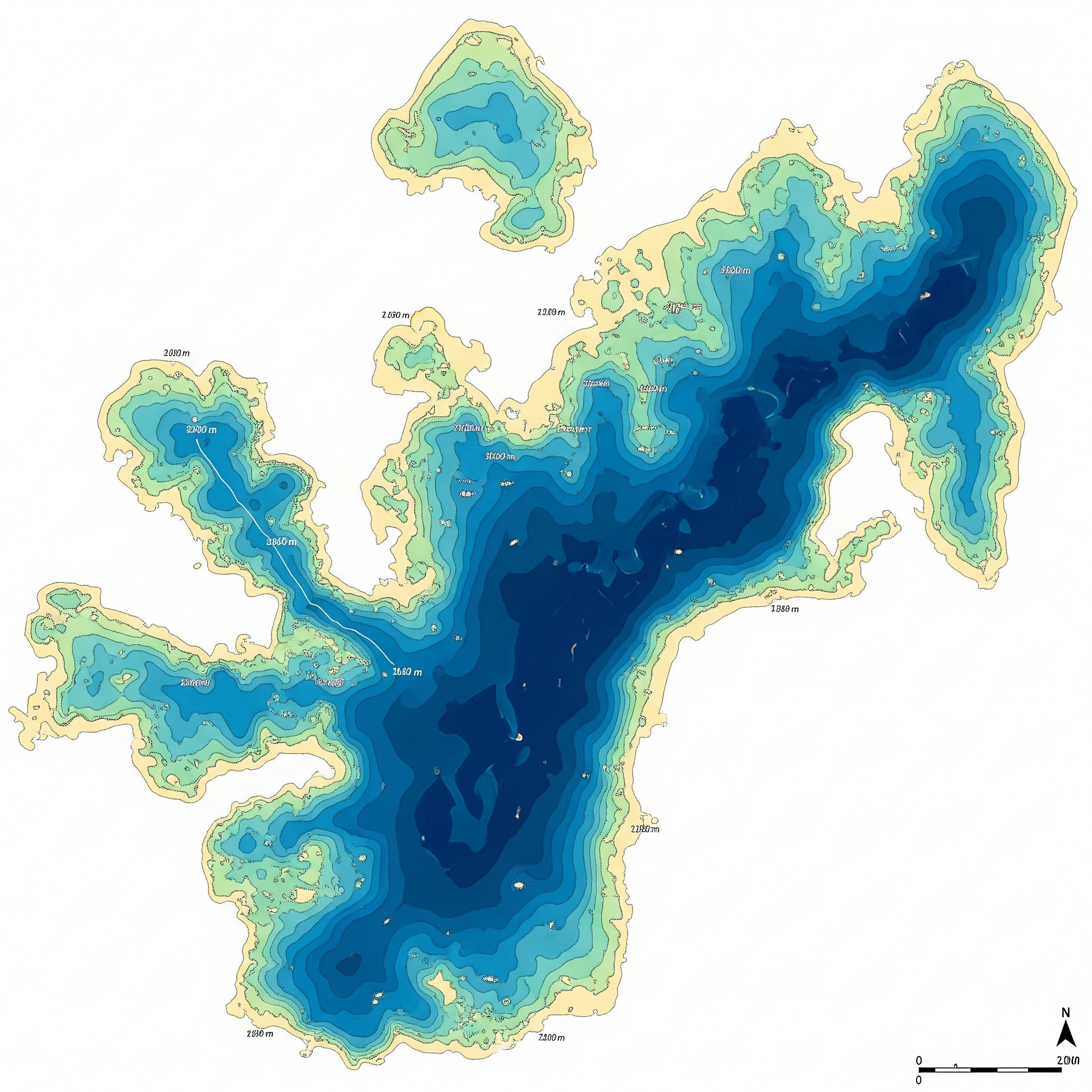
Bathymetric and bottom density sonar is used to map underwater terrain and measure the composition of seafloor, lakebed, and riverbed materials.
Bathymetric sonar provides detailed depth measurements to create 3D models of lakes, rivers, and coastal zones, while bottom density sonar analyzes the hardness or softness of sediments, revealing information about habitat types, sediment transport, and underwater infrastructure stability.
Together, these technologies support safe navigation, dredging operations, environmental monitoring, fisheries management, and coastal engineering by delivering precise data on both underwater topography and substrate conditions.
Side Scan Sonar
Turning Echoes into Images
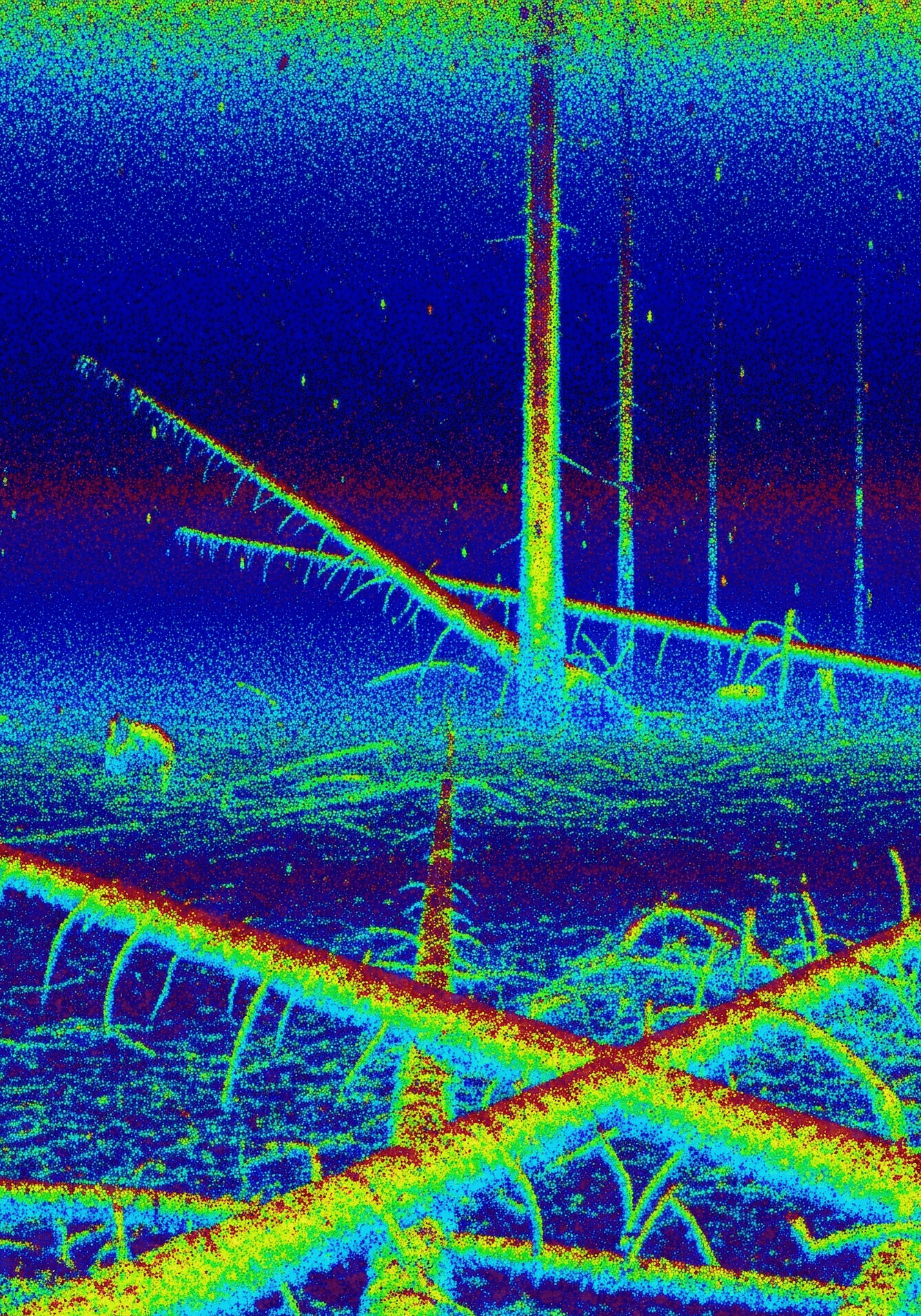
Side scan sonar is used to create detailed images of the seafloor, lakebed, or riverbed by emitting acoustic at an angle to the bottom and recording the intensity of sound reflected back from underwater surfaces.
Variations in texture, shape, and material reflectivity produce contrasting patterns, allowing the identification of objects, debris, habitat types, and geological features along the side or bottom of waterways.
Together, these capabilities support safe navigation, search and recovery, habitat mapping, underwater archaeology, and infrastructure inspection by delivering high-resolution imagery of underwater environments.
Bathymetric Sonar
Clarity Where Light Fails
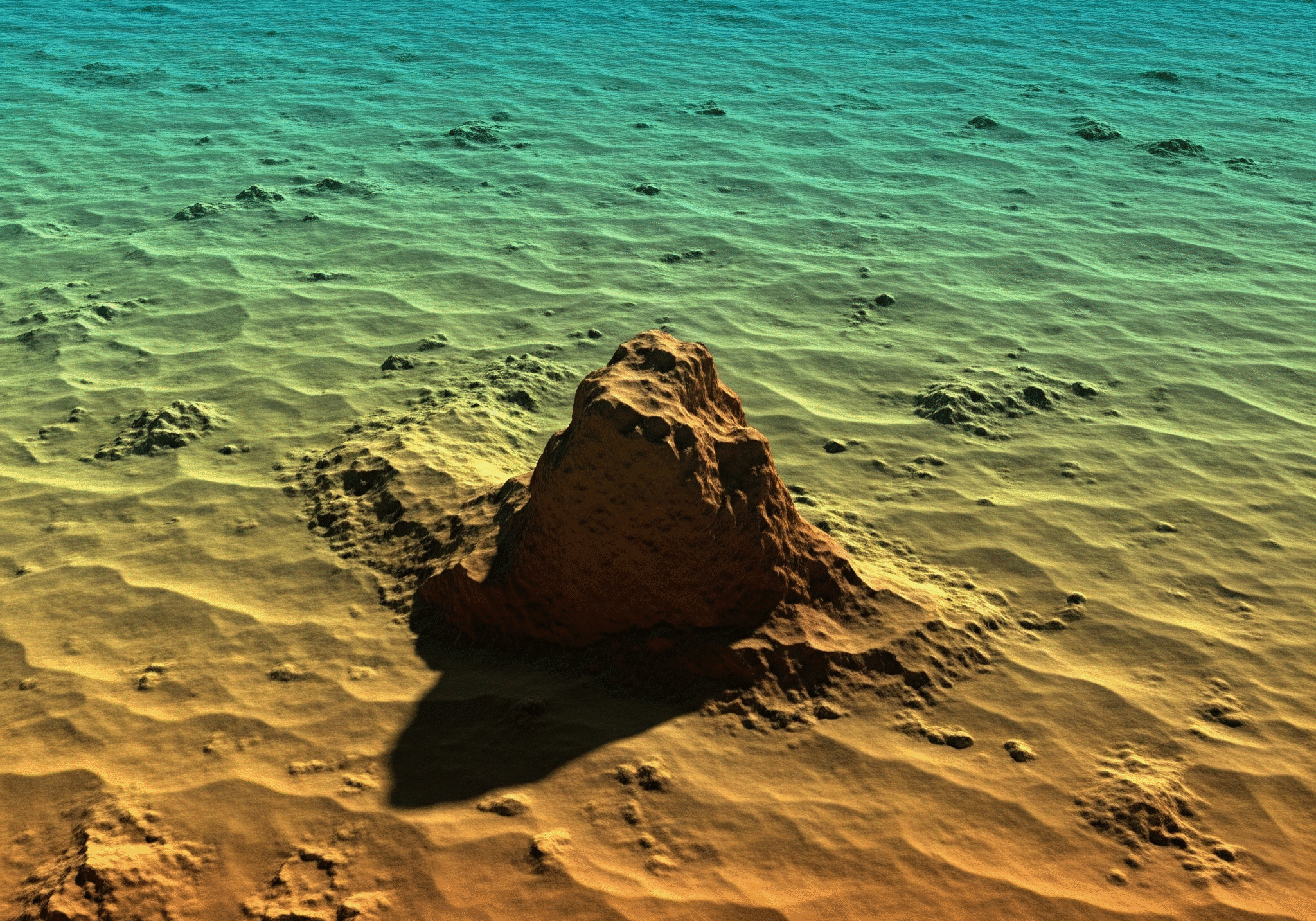
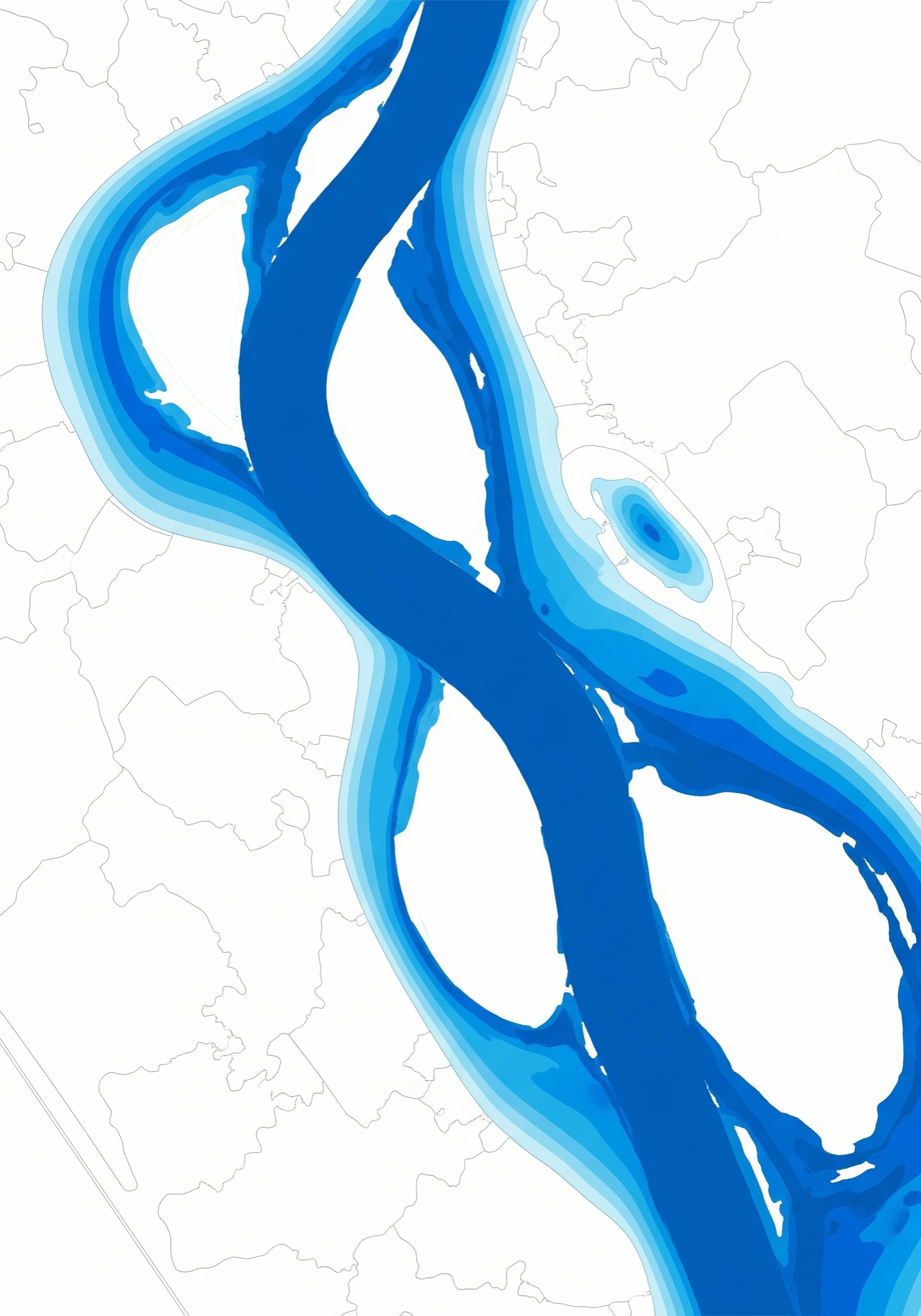
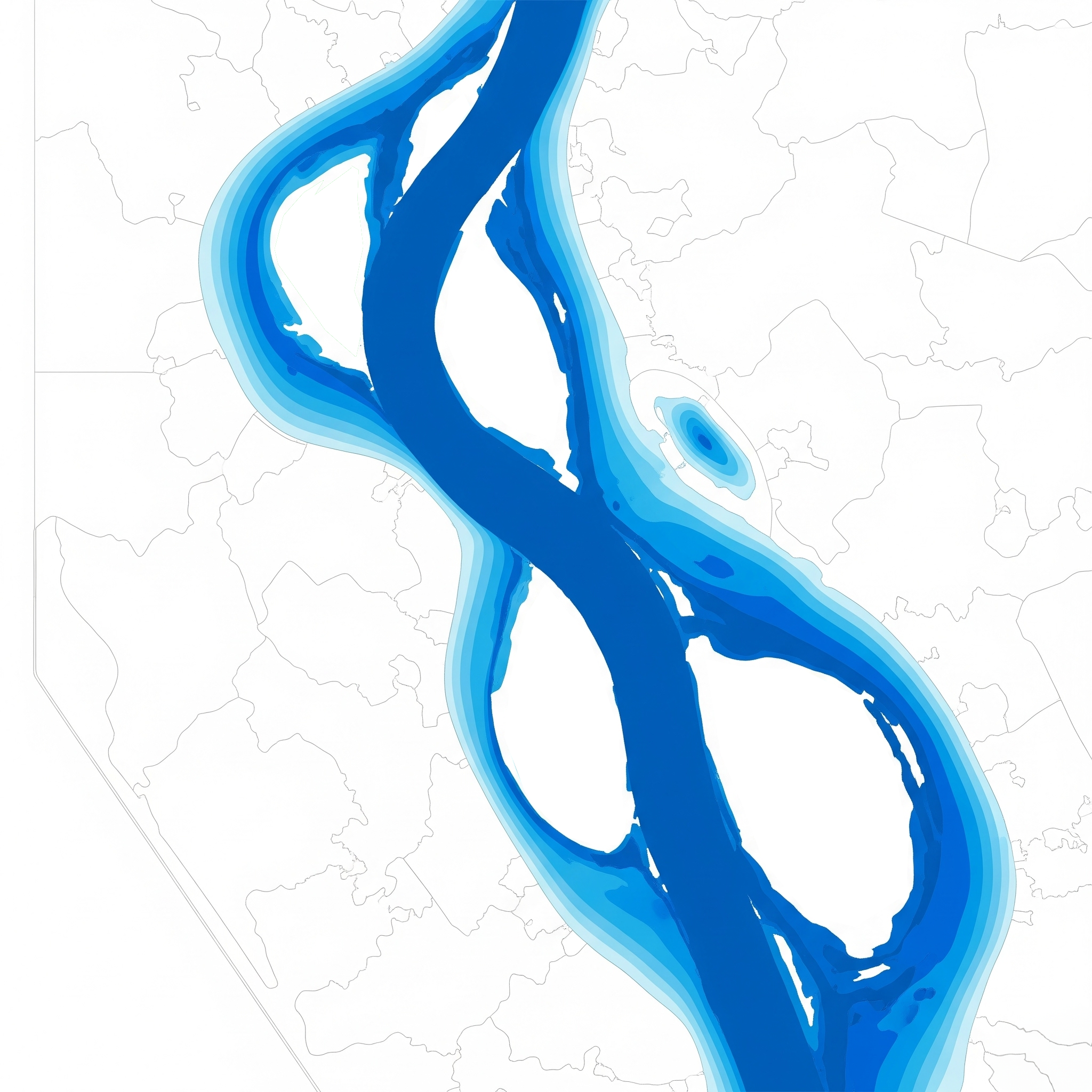
Bathymetric sonar measures water depth by transmitting acoustic pulses and recording their returns, producing detailed maps of the seafloor, lakebed, or riverbed.
Unlike bathymetric LiDAR, which is easily obscured in turbid, dark, or disturbed waters, sonar penetrates these conditions to deliver accurate depth profiles.
This capability enables reliable charting for navigation, flood modeling, resource management, and environmental monitoring, even where optical systems cannot operate effectively.
Processed Data Products
Our collected data can be processed into a wide variety of deliverables to suit your needs. Check out our selection of data products below and please reach out to our technical advisors if you have a specific question or deliverable request.